
The selection of the right bathtub can make a difference in the way your bathroom looks, feels, and functions over time. When comparing Cast Iron vs Acrylic Bathtub, many homeowners, architects, villa developers, hotel owners, and construction buyers ask one important question: which bathtub offers the best long-term value?
In the Cast Iron vs Acrylic Bathtub comparison, the answer depends on your project goals. Cast iron tubs provide high quality durability, luxury and good heat retention. Acrylic bathtubs come in lighter weight, are easier to install and are budget-friendly.
From luxury villas to residential homes, hotels to large commercial projects, selecting the appropriate bathtub material enhances the quality of the project, installation efficiency, and overall satisfaction.
At George Group we provide building material solutions, design coordination and procurement support to architects, designers, developers, engineers and homeowners to ease project planning.
This guide covers all the details you need to know about Cast Iron vs Acrylic Bathtubs to help you make a more informed decision.
1. Cast Iron vs Acrylic Bathtub: Quick Comparison Table
| Feature | Cast Iron Bathtub | Acrylic Bathtub |
| Material | Iron with enamel coating | Acrylic reinforced with fiberglass |
| Weight | Heavy | Lightweight |
| Heat Retention | Excellent | Good |
| Durability | Extremely durable | Durable |
| Installation | Complex | Easier |
| Luxury Feel | Premium | Modern |
| Scratch Resistance | Strong | Moderate |
| Maintenance | Low | Low |
| Lifespan | 30–50+ years | 10–20+ years |
| Price Range | Higher | Lower |
| Floor Support Needs | Often required | Usually minimal |
| Best For | Luxury homes, hotels, villas | Apartments, homes, commercial projects |
Quick Answer: Cast iron works best for luxury and long-term durability. Acrylic works best for flexibility, affordability, and easier installation.
2. What Is a Cast Iron Bathtub?
A cast iron bathtub is made of cast iron. The manufacturers pour the liquid iron into molds and then coat it with a porcelain enamel.
Understanding cast iron materials is important when evaluating Cast Iron vs Acrylic Bathtub options for luxury bathrooms.
How Cast Iron Bathtubs Are Manufactured
Iron is melted by manufacturers at a high temperature.
They cast molten iron into accurate molds.
Once cooled, they enamel coat layers.
The enamel surface becomes better:
- Scratch resistance
- Waterproof performance
- Surface durability
- Long-term appearance
The last bathtub is heavy, solid and high quality.
Technical Specifications of Cast Iron Tubs
| Technical Feature | Performance |
| Waterproof Performance | Excellent |
| Heat Retention | Excellent |
| Impact Resistance | High |
| Sound Reduction | Strong |
| Surface Hardness | Excellent |
| Durability | Outstanding |
| Lifespan | 30–50+ years |
The noise reduction is also thanks to the heavy structure.
The water makes less noise in the bathtub than lightweight materials.
Learn more about material standards here:
ASTM International Standards for Material Testing
Common Types of Cast Iron Bathtubs
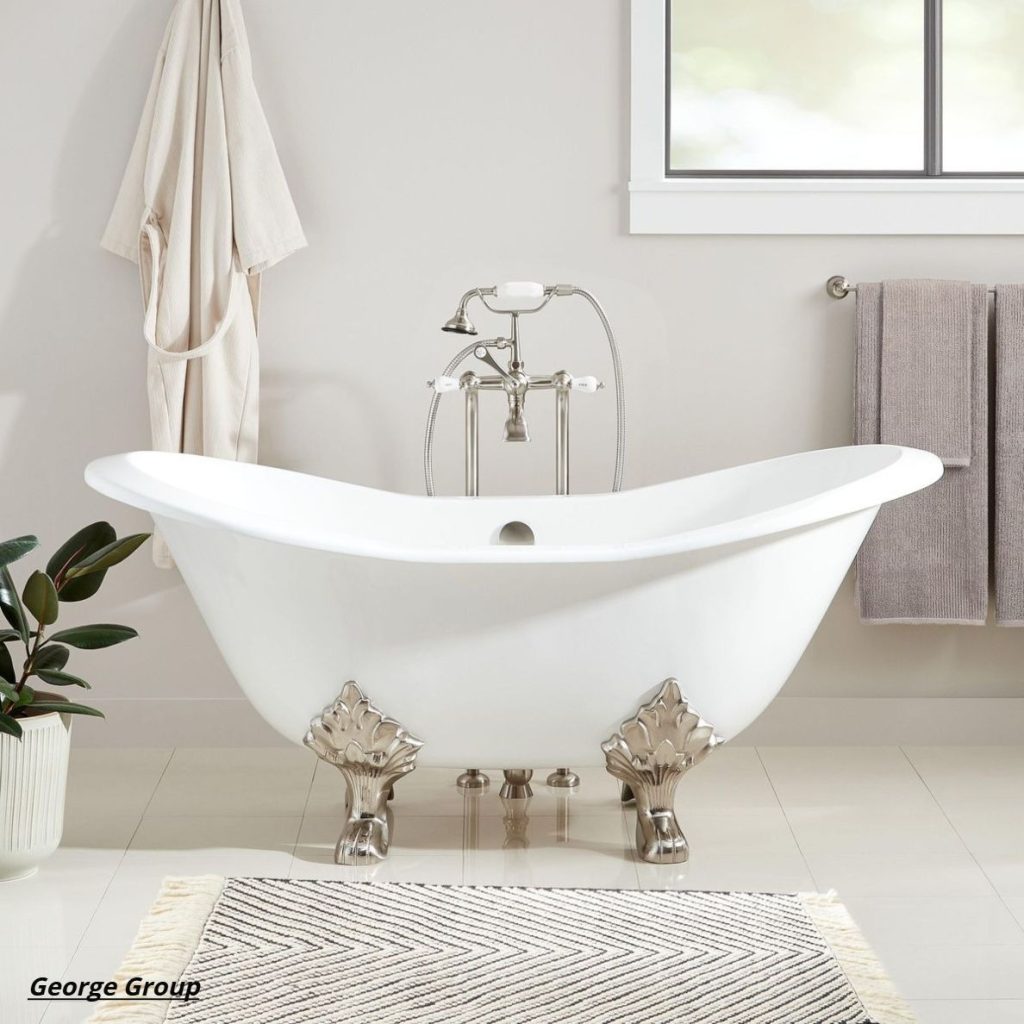
Freestanding Cast Iron Tub
A freestanding cast iron tub is one that is not connected to walls. The design of these tubs is often the focal point in high-end bathrooms, giving them a luxurious and elegant look.
In addition, cast iron retains the heat of bath water for a longer period, making for a more comfortable long soak.
Best for:
- Luxury villas
- Premium homes
- Hotel suites
Alcove Cast Iron Tub
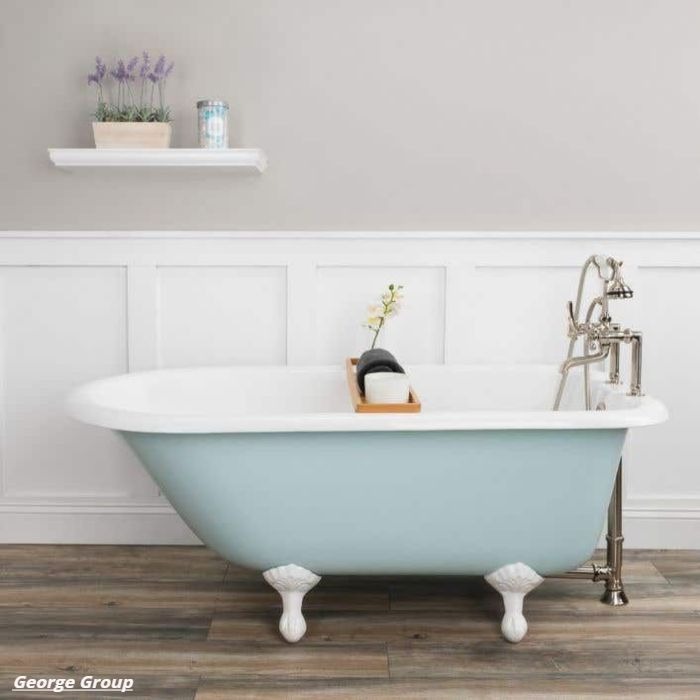
The Alcove cast iron tub fits in a three wall enclosure. This design is often used by builders to save space while ensuring durability and performance.
Alcove tubs are often the preferred choice of families due to their practicality in daily use. The enamel surface is also very tough and can withstand regular cleaning and everyday use.
Alcove tubs are a popular choice for many residential builders and are useful for bathroom designs.
Best for:
- Residential homes
- Family bathrooms
- Apartment developments
Soaking Cast Iron Tub
Soaking cast iron tubs provide a deeper bathtub. The added depth adds to a more relaxing bath and helps to facilitate the modern spa style bathroom.
Soaking tubs are a popular option among many homeowners, as they can provide a more comfortable experience after a long day at work with the benefit of the water covering a greater portion of the tub.
Soaking tubs are sometimes added to luxury residential developments and wellness bathroom designs to provide a high-end experience.
Best for:
- Spa-style bathrooms
- Luxury residential spaces
3. What Is an Acrylic Bathtub?
Acrylic bathtub is made of molded acrylic sheets with fiberglass reinforcement.
In a Cast Iron vs Acrylic Bathtub decision, acrylic remains a popular choice because of affordability and installation flexibility.
Acrylic tubs are frequently selected by builders due to their cost-effectiveness, durability, and simpler installation process.
Acrylic Material Composition Explained
Acrylic sheets are heated by the manufacturer to make them flexible.
They form the sheets into bathtub molds.
Strength is added with fiberglass reinforcement.
The combination creates:
- Lightweight performance
- Good durability
- Affordable pricing
- Flexible design options
How Acrylic Bathtubs Are Made
The manufacturers take these steps:
- Heat acrylic sheets
- Make the shape for the bathtub
- Reinforce with fiberglass
- Add finishing treatments
- Complete quality inspections
This makes a sturdy, functional bathtub.
Technical Features of Acrylic Bathtubs
| Technical Feature | Performance |
| Waterproof Protection | Excellent |
| Installation Speed | Fast |
| Weight | Lightweight |
| Repair Capability | Good |
| Thermal Comfort | Good |
| Design Flexibility | Excellent |
Acrylic is the material of choice for developers as it can be installed more efficiently by installation teams.
Popular acrylic bathtub manufacturers include:
Kohler Official Bathroom Products
George Group One Stop Solution
American Standard Bathroom Solutions
Common Acrylic Tub Designs
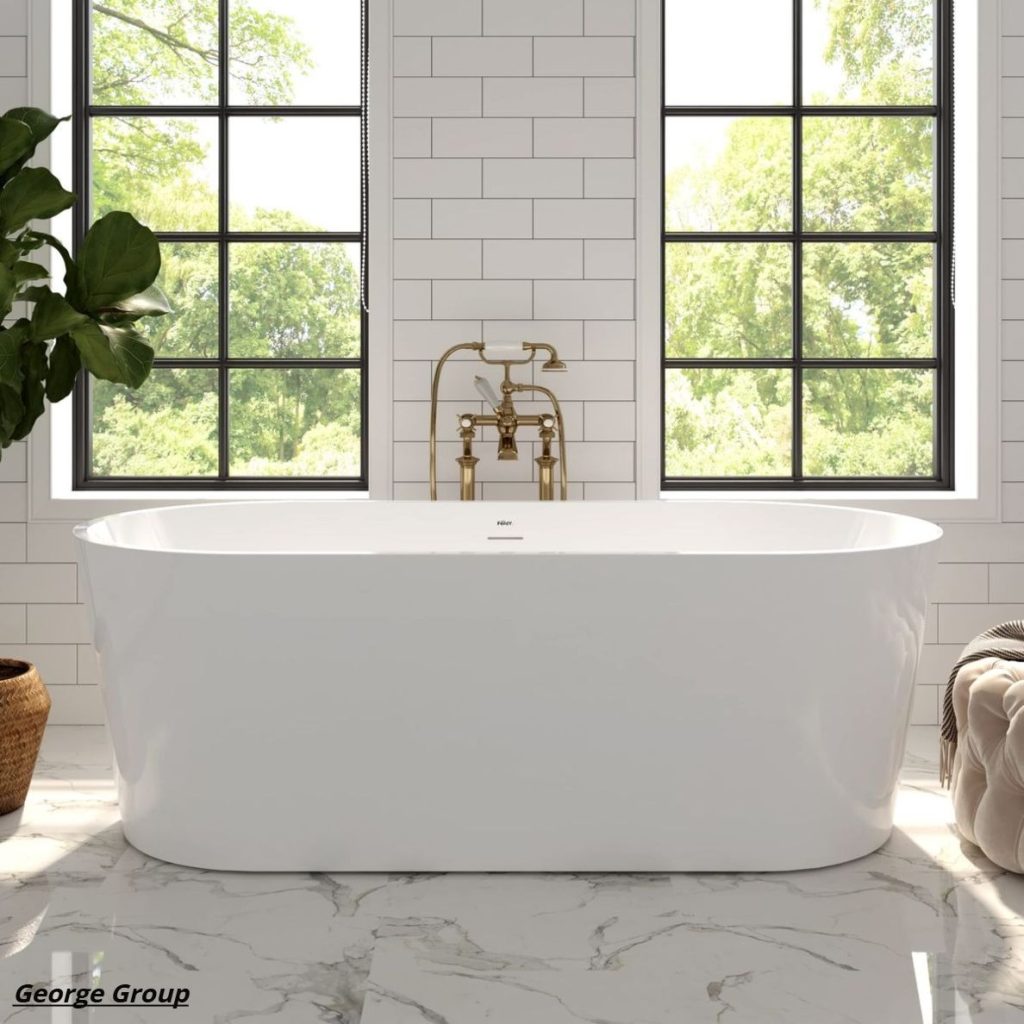
Acrylic Freestanding Bathtub
An acrylic freestanding bathtub offers a contemporary design and is lighter than construction.
The lightweight construction also makes acrylic freestanding tubs an attractive choice for renovations and large residential projects.
Works well for:
- Luxury homes
- Modern villas
- Designer bathrooms
Acrylic Soaking Bathtub
Acrylic soaking bathtubs offer extra depth for greater comfort when bathing.
The lightweight design makes it easier to install than heavier materials used for bathtubs.
Soaking tubs are a popular option for many homeowners, offering a blend of relaxation, affordability, and modern design.
Popular for:
- Residential renovations
- Contemporary homes
Acrylic Alcove Bathtub
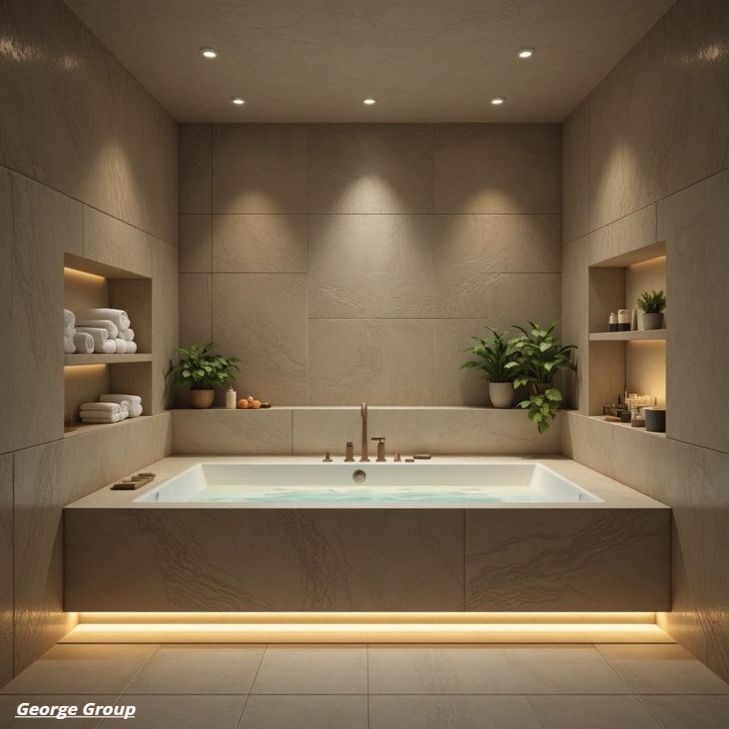
Acrylic alcove bathtubs are a popular choice in residential developments due to their efficient fit in typical bathroom layouts.
The lightweight design is ideal for reducing installation labor and project costs. The convenience of maintenance and daily use is also well-liked by homeowners.
Acrylic alcove tubs are a popular choice for apartment builders and developers when undertaking large scale projects.
Best for:
- Residential homes
- Apartments
- Multi family housing developments
Acrylic Bathtub Shower Combo
An acrylic bathtub shower combo is an all in one combination of shower and bath that takes up less space while providing the comfort and utility of a bath.
Many families opt for this as it allows for various family needs without the need for an extra bathroom.
Bathtub shower combos are often used in construction projects where space is a premium.
Best for:
- Apartments
- Family homes
- Smaller bathrooms
4. Cast Iron vs Acrylic Bathtub: Material Strength Comparison
Material durability plays a major role when comparing Cast Iron vs Acrylic Bathtub solutions for homes, villas, and hospitality projects. The durability of the material will impact the cost of ownership over the long term.
Durability and Lifespan
Typically, cast iron will last longer.
There are many cast iron tubs that will last for decades.
Acrylic tubs are also durable but have a shorter lifespan.
Scratch Resistance
Cast iron is more effective.
It is more resistant to scratching because of its enamel coating.
Over time, scratches can occur on acrylic surfaces.
Crack Resistance
Cast iron is more resistant to stress.
Acrylic is flexible, aiding in transit and installation.
Impact Resistance
Cast iron provides greater impact resistance.
Hotels and commercial projects tend to focus on tougher materials, as they get more use, and so they wear out more quickly.
Structural Stability for Luxury Villas and Hotels
Luxury buyers tend to equate heavier materials with a higher quality.
5. Cast Iron vs Acrylic Bathtub: Heat Retention Performance
Heat retention is one of the biggest differences in the Cast Iron vs Acrylic Bathtub comparison. Comfort is influenced by heat retention.
No one likes to add hot water over and over again.
Which Keeps Water Warm Longer?
Cast iron is more effective.
Iron has a high heat capacity and is slow to heat up and cool down.
Water retains heat for longer.
Acrylic has adequate insulation and dissipates heat more rapidly.
Thermal Performance for Luxury Bathrooms
Long soaking is a key feature of premium villas and hospitality projects.
Increased heat retention enhances customer experience.
Energy Efficiency Considerations
Improved heat retention could lead to less hot water consumption.
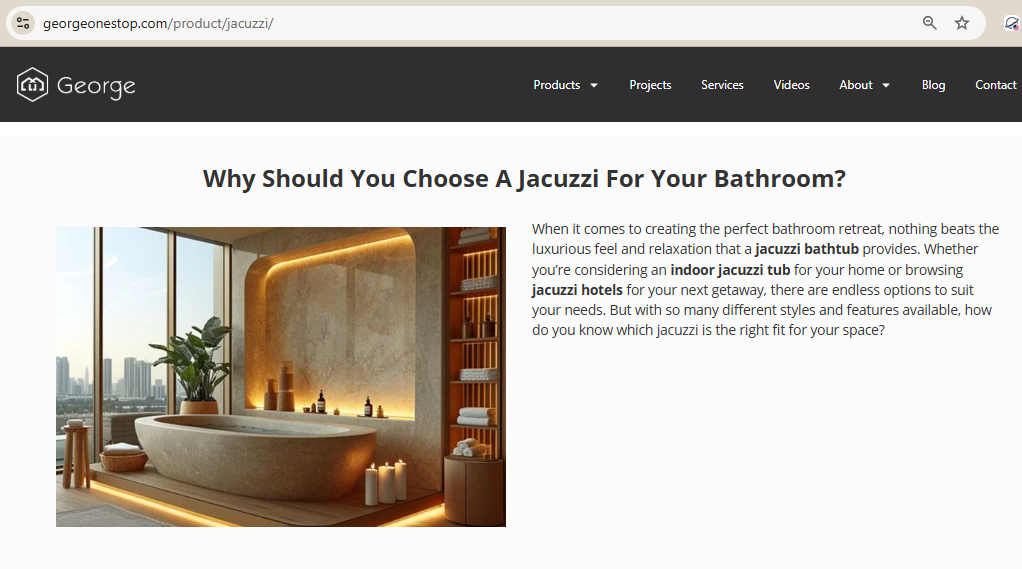
6. Cast Iron vs Acrylic Bathtub: Installation Requirements
Installation requirements often influence Cast Iron vs Acrylic Bathtub purchasing decisions for developers and homeowners. The planning for installation has an impact on budgets and timelines.
Floor Load Capacity Requirements
Cast iron tubs have a much higher weight.
Builders sometimes assess floor structure prior to installation.
Sometimes, luxury villas need reinforcement.
Acrylic tubs pose fewer structural issues.
Installation Complexity
Installation of cast iron may require the following:
- Additional labor
- Equipment support
- Longer timelines
Typically, acrylic installation progresses more quickly.
Installation efficiency is a desired feature for developers.
Structural Reinforcement Needs
Sometimes floor strengthening is required for heavy cast iron tubs.
Load requirements are often the first thing that is considered by architects and engineers.
This planning can prevent delays.
Project Timeline Considerations
One question commercial buyers may have is the following:
- Will installation drive up costs?
- Will schedules be met?
- Are there any changes to budgets due to structural work?
Early planning helps with project execution.
George Group also assists clients in evaluating installation requirements and structural suitability before final material selection.

7. Compliance Standards and Certifications Buyers Should Check
Certifications contribute to the safeguarding of project quality.
Requirements for compliance are often checked first by architects, developers and homeowners.
Important certifications include:
| Certification | Purpose |
| ISO Certification | Manufacturing quality control |
| CE Certification | European compliance |
| ADA Requirements | Accessibility standards |
| ASTM Standards | Material performance standards |
| Water Resistance Standards | Moisture protection |
| Slip Resistance Testing | Safety improvement |
Approval documentation is frequently needed for commercial projects.
International buyers often enquire if products comply with local requirements.
Compliance helps simplify approvals.
8. Cast Iron vs Acrylic Bathtub: Luxury Bathroom Design Comparison
Luxury bathroom planning frequently includes a detailed Cast Iron vs Acrylic Bathtub evaluation.
Which Looks More Premium?
A cast iron typically makes a more luxurious statement.
It is built to last and is suitable for high-end design.
Cast iron is often used in luxury villas.
Best Choice for Modern Villas
The following are commonly employed in modern villas:
- Freestanding cast iron tubs are the most popular option.
- Acrylic designer tubs
- Large soaking tubs
Final decision will be based on budget and project style.
Hotel Bathroom Design Considerations
Hotels often balance:
- Durability
- Installation costs
- Maintenance needs
- Luxury appearance
Cast iron is a popular choice of premium hotels.
Acrylic is a popular option for mid-range developments.
George Group helps architects and developers compare both materials based on budget, design goals and project requirements.
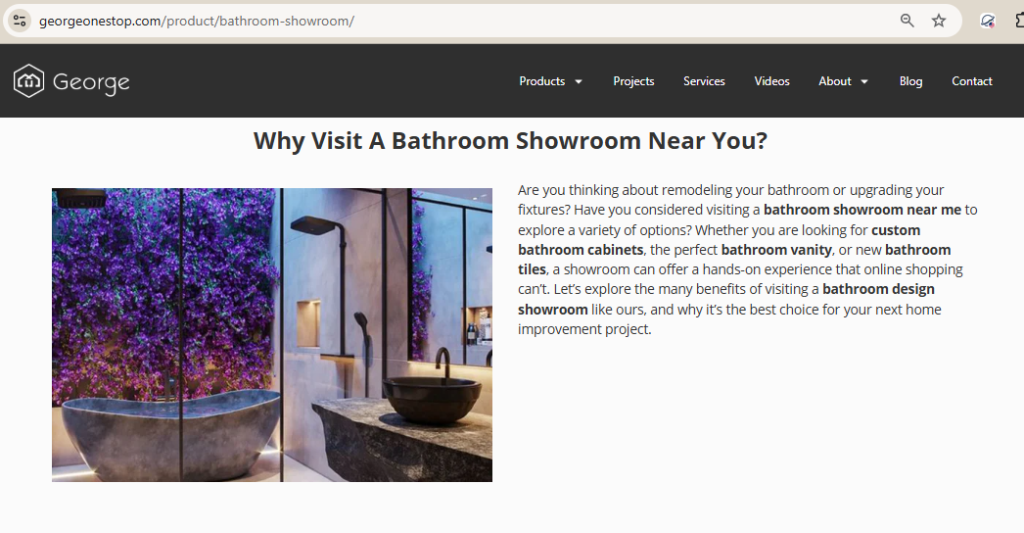
9. Cost Comparison: Cast Iron vs Acrylic Bathtub
Budget considerations are essential in every Cast Iron vs Acrylic Bathtub buying decision.
| Cost Category | Cast Iron | Acrylic |
| Product Cost | Higher | Lower |
| Shipping Cost | Higher | Lower |
| Installation Cost | Higher | Lower |
| Maintenance Cost | Lower long term | Moderate |
| Replacement Frequency | Lower | Higher |
Which Saves More Long Term?
Cast iron can produce a higher long term value.
Acrylic lowers initial investment.
The best solution will be based on project priorities.
10. Procurement Guide for Commercial Projects
Commercial buyers often compare Cast Iron vs Acrylic Bathtub solutions based on procurement efficiency and project timelines.
Procurement challenges are frequently encountered in large developments.
Buyers commonly ask:
- Should we purchase locally?
- Can imported materials meet standards?
- Can suppliers meet deadlines?
At George Group, we provide project planning assistance by
- Material matching
- Procurement coordination
- Design assistance
- Sample production
- Installation guidance
Construction delays can be avoided by early procurement planning.
11. Custom Bathtub Solutions for Hotels, Villas and Commercial Projects
If you have a big project, you may need customization.
Customization options include:
- Size adjustments
- Finish selection
- Anti-slip surfaces
- Luxury coatings
At George Group, Our design teams also support:
- 2D layout matching
- 3D rendering design
- Material coordination
- Large project planning
Custom solutions enhance project efficiency.
12. Cast Iron vs Acrylic Bathtub for Different Project Types
Selecting the right Cast Iron vs Acrylic Bathtub option depends heavily on project requirements.
Luxury Villas
Cast iron can be more effective.
Luxury buyers appreciate top of the range materials.
Hotels and Resorts
Hotels are a mix of luxury and maintenance efficiency.
Either material can be effective.
Apartments and Residential Buildings
Acrylic is frequently more cost effective.
Senior Living Facilities
Accessibility matters.
Builders often prioritize the following:
- Easy cleaning
- Safe surfaces
- Comfortable layouts
Commercial Hospitality Projects
The durability and maintenance costs play a significant role in decision making.
George Group regularly works with architects and developers across luxury villas, hotels, and residential projects to recommend the best bathtub solutions.
13. Cast Iron vs Arcylic Bathtub Maintenance Guide: Which Tub Is Easier to Clean?
Maintenance requirements can affect long-term Cast Iron vs Acrylic Bathtub ownership costs.
How to Clean Acrylic Bathtub
Use:
- Mild soap
- Soft cloth
- Non-abrasive cleaners
Avoid harsh chemicals.
Cast Iron Maintenance Tips
Clean with mild cleaning products.
Never drop heavy objects.
Protect enamel surfaces.
Preventing Surface Damage
With proper maintenance, lifespan can be extended.
Simple cleaning procedures maintain appearance.
14. Common Buying Mistakes to Avoid
Here are some common mistakes to avoid:
- Buying by price alone.
- Ignoring installation costs
- Skipping compliance checks
- Failure to remember the floor load requirements.
- Delaying procurement planning
Careful planning equals time and money saved.
15. Final Verdict: Cast Iron vs Acrylic Bathtub
The right choice depends on your project goals.
When it comes to a Cast Iron vs Acrylic Bathtub comparison, cast iron outshines acrylic in terms of luxury, durability, heat retention, and long term performance.
Acrylic is superior when it comes to cost, weight, mobility and installation speed.
When people consider factors such as installation needs, maintenance expenses, certifications, and long-term value, homeowners, architects, developers, and hotel buyers often make better decisions when they evaluate Cast Iron vs Acrylic Bathtub.
George Group is here to support architects, designers, developers, engineers, and homeowners in streamlining the building material solutions, design coordination, customization, and procurement for their projects.
Contact us today to get expert advice for your next residential, commercial, or luxury project.
The Cast Iron vs Acrylic Bathtub is more than just finishing the bathroom. Making the right choice will enhance comfort, durability, project quality and long term investment value.
FAQs About Cast iron vs Acrylic Bathtub
Is cast iron better than an acrylic bathtub?
For durability and luxury appeal, cast iron is better. Acrylic is more effective in terms of value and ease of installation.
In Cast Iron vs Acrylic Bathtub, which lasts longer?
The cast iron is generally more durable.
Does acrylic scratch easily?
Cast iron is harder wearing than acrylic.
Are cast iron tubs worth the extra cost?
Cast iron is frequently used in luxury homes and long term projects.
Which bathtub works best for luxury villas?
Cast iron is a favorite material option for many luxury villas.
Which bathtub works best for hotels?
Hotels select a hotel based on budget, maintenance objectives and guest experience preferences.
Can acrylic bathtubs crack?
Damage is possible with strong impact over time.
Do acrylic tubs turn yellow?
Appearance may be impacted by poor maintenance and harsh chemicals.
Which bathtub adds more home value?
Cast iron is a favorite among luxury buyers.