
The right windows can significantly impact your home’s comfort, energy efficiency, security, and maintenance expenses. Whether you are embarking on a new construction project, renovating a villa, developing apartments, or building a commercial property, you’ve likely heard the discussion on European Windows vs American Windows.
Many homeowners are concerned with looks, and many architects, developers, and contractors are more concerned with performance, certifications, installation requirements, and project budgets. The reality is that both window systems have their merits but for different purposes.
This guide will help you understand the difference between European windows vs American windows, their energy efficiency, sound insulation, hurricane resistance, customization options, compliance standards, and project costs. At the end of it, you will be able to determine which one will work best for your project.
1. European Windows vs American Windows: Quick Comparison
| Feature | European Windows | American Windows |
| Opening Style | Tilt and Turn | Double-Hung, Single-Hung, Sliding |
| Energy Efficiency | Excellent | Good |
| Air Tightness | Very High | Moderate |
| Security | Multi-point locking | Standard locking systems |
| Sound Insulation | High STC ratings | Moderate STC ratings |
| Hurricane Resistance | Available with certified systems | Available with impact-rated systems |
| Customization | Extensive | Moderate |
| Initial Cost | Higher | Lower |
| Long-Term Savings | Higher | Moderate |
| Popular Markets | Europe, Australia | United States, Canada |
2. What is a European Window?
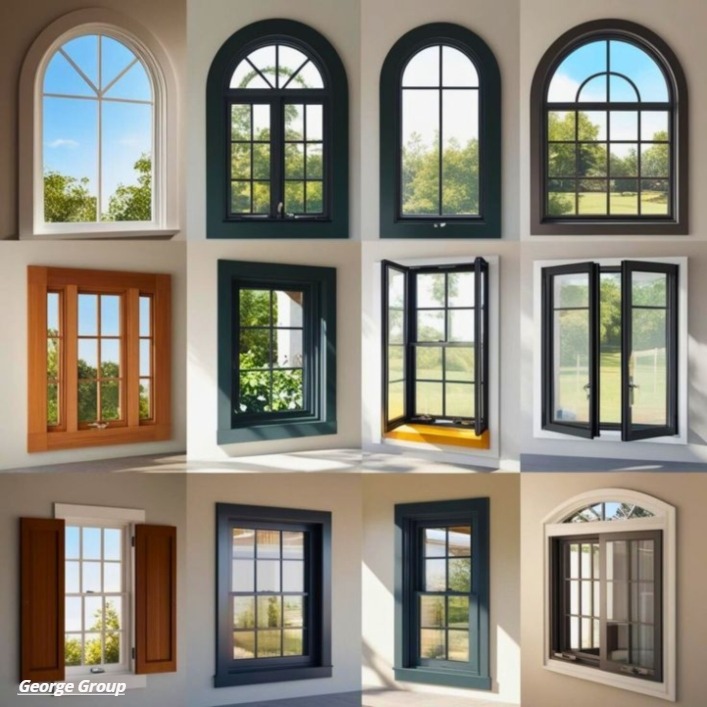
European windows are now popular all over the world due to their high design and exceptional performance.
The most popular one is the European tilt-and-turn window. This design will make it possible to open the window two ways. The upper part can be tilted inwards for ventilation or opened completely inwards like a door.
This design is flexible, has enhanced airflow, is easier to clean and more secure.
Main Features of European Windows
European style windows may feature the following:
- Multi-point locking systems
- Double or triple glazing
- Thermal break technology
- High-performance seals
- Aluminum, timber, or uPVC frames that are strong.
A large number of high quality European windows and doors also comply with the strict energy and building regulations in Europe.
Common Materials Used in European Windows
Manufacturers typically use:
- Aluminum
- Timber
- uPVC
- Aluminum-clad wood
These materials are extremely durable and weather resistant.
Popular Certifications
When you purchase European windows, you might come across certifications like
These certifications facilitate approval of the project by builders and developers.
3. What Are American Windows?
American windows are the most popular type of window across America.
American tilt turn windows are typically designed with simplicity and affordability in mind, as opposed to European windows.
Common American Window Types
Popular styles include:
- Double-hung windows
- Single-hung windows
- Sliding windows
- Casement windows
- Picture windows
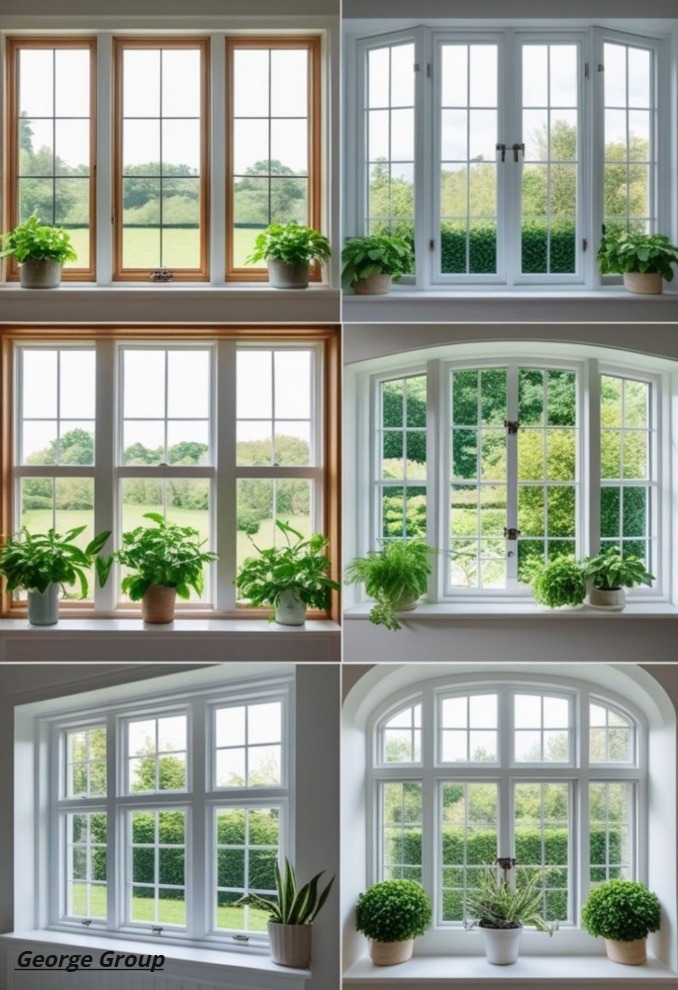
Many people opt for these windows because they fit well with the traditional American home designs.
Common Materials Used in American Windows
The most common window materials used by American window manufacturers are:
- Vinyl
- Fiberglass
- Aluminum
- Wood
Vinyl is still a very popular choice, as it is less expensive up front.
Popular American Certifications
Good quality American windows may have these certifications:
- NFRC Certification
- ENERGY STAR Certification
- AAMA Certification
- ASTM Standards
- Miami-Dade Hurricane Approval
These certifications validate performance and conformance to U.S. building codes.
4. European Windows vs American Windows: Key Differences
Let’s now examine the largest differences that impact buyers.
Opening Mechanism and Ease of Use
The most obvious difference is the opening system.
European tilt and turn windows offer two ways to open. The top of the window can be tilted for safe ventilation or the window can be fully opened towards the interior.
Typically, windows in the U.S. move either up and down or side to side.
European systems may offer greater flexibility and convenience if you are looking for a better user experience and cleaning.
Energy Efficiency
Energy efficiency has become one of the most significant aspects of the construction industry today.
European windows are generally superior to American windows, as they utilize the following:
- Triple glazing
- Better weather seals
- Multi-chamber frame systems
- Thermal break technology
These properties help minimize heat transfer and contribute to indoor temperature maintenance.
That translates to reduced heating and cooling costs for homeowners.
It means that developers can more easily meet energy requirements.
Airtightness and Weather Resistance
Energy costs and comfort can be reduced due to air leakage.
European window systems tend to form a tighter seal than traditional American window systems.
In consequence, they tend to perform better during:
- Heavy rain
- Snowstorms
- High winds
- Extreme temperatures
Many high-quality systems also have high waterproof ratings and wind resistance ratings.
Hurricane Resistance
There are numerous coastal areas where storm-resistant windows are needed.
Hurricane rated products are available from both European and American manufacturers.
But when buyers go to buy, they should always check certifications.
Important certifications include:
- Miami-Dade Approval
- ASTM Impact Standards
- Hurricane Resistance Ratings
These certifications are of critical importance when purchasing products from overseas.
Sound Insulation Performance
Noise control is important in the home, hotels, offices and healthcare buildings.
STC (Sound Transmission Class) ratings are used by manufacturers to measure sound insulation.
The higher the STC rating, the more sound that will be blocked.
Typical STC Ratings
| Window Type | Typical STC Rating |
| Standard Double Glazed | 28–32 |
| Premium Double Glazed | 33–38 |
| Triple Glazed European Window | 40–50+ |
European windows are sometimes better for acoustics for projects close to airports, highways or busy city centers.
Security Features
Security is one of the most important issues for homeowners and property developers.
The majority of European systems contain the following:
- Multi-point locking
- Reinforced frames
- Strong hinges
- Laminated glass options
Many American windows are equipped with standard locking systems that offer protection but may not be as resistant.
Fire Resistance and Safety Compliance
Fire rated window systems are frequently needed in commercial projects.
Manufacturers can supply as needed to the project:
- 20-minute fire-rated systems
- 60-minute fire-rated systems
- 90-minute fire-rated systems
Also, be sure to check for certifications like
These certifications can help ensure compliance with local building codes.
5. Which Window System Meets International Building Standards Better?
It depends on where your project is located.
European Standards
The European projects often need:
- CE Certification
- EN Standards
- Energy efficiency compliance
- Fire safety compliance
United States Standards
Typical requirements for American projects are:
- NFRC ratings
- ENERGY STAR certification
- ASTM testing
- AAMA standards
Australian Requirements
Australian projects tend to be more likely to be concerned with:
- Wind load testing
- Bushfire compliance
- Energy ratings
- Water penetration testing
Check local building requirements before choosing a window system.
This will ensure that there are no delays in the approval process or expensive changes to the project when certified products are used.
6. European Windows vs American Windows for Different Projects
Various projects require various window systems. Never select one based on looks alone. The window performance always needs to be matched to the building type and project requirements.
Luxury Villas and Residential Homes
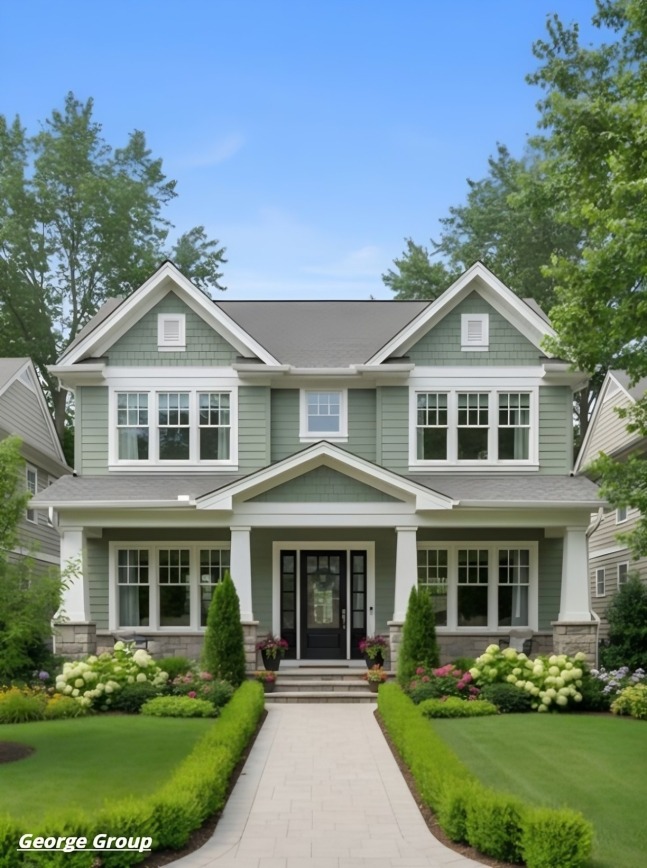
As a villa designer or builder, you typically prioritize comfort, quietness and energy efficiency.
European windows are highly effective here, as they come with the following:
- Better thermal insulation
- Strong sound control
- Modern, clean design
- Tilt and turn flexible ventilation.
American windows also perform, but they are more geared towards traditional design and budget.
Hotels and Apartment Buildings
Comfort, durability, and guest satisfaction are all key for hotels and apartments.
European systems provide:
- Strong acoustic insulation for better guest comfort
- Energy efficient sealing.
- Top quality and contemporary interior appearance.
American windows can also be used in a standard hotel project, but they may not be as luxurious or high performing as desired.
Hospitals and Nursing Homes
Safety, hygiene and accessibility are essential for healthcare buildings.
Either system can function, but European windows have an advantage in that they provide the following:
- Easy ventilation control
- High hygiene standards
- Improved acoustic conditions for patient recuperation
- Smooth and easy operation for staff
Modern Office Buildings
Natural light, flexibility and energy efficiency are essential for offices.
You can choose:
- Glass systems designed for Europe to give a high-class and modern appearance.
- Sliding systems that are both efficient and easy to use in America.
European systems improve:
- Noise control in the city.
- Energy savings
- Modern architectural appearance
High-Rise Commercial Projects
High-rise buildings need to be very safe, durable and wind resistant.
Both systems are viable, but you’ll need to check every time.
- Wind load rating
- Waterproof performance
- Certification compliance
7. Cost Comparison: European vs American Windows
Cost is an important factor in project planning and decision-making.
Initial Cost
European windows: More expensive because of the sophistication of the engineering and materials used.
American windows: Less expensive because of mass production
Installation Cost
The installation of European windows needs expert and trained installation teams.
American windows fit quicker into standard construction systems
Maintenance Cost
European windows need less ongoing maintenance.
Frequent sealing or part replacement may be required for American windows.
Energy Savings
European windows are more effective in saving heating and cooling expenses, particularly in extreme weather.
Long-Term Value
European windows may offer a higher return on investment (ROI) when considering a long term perspective due to the following:
- Lower energy bills
- Higher durability
- Improved growth of property values.
8. Common Pain Points for Buyers in the U.S. Market
We get the same concerns and questions when we work with American buyers.
Installation Challenges
One of the concerns that many buyers have is whether the imported windows will fit the local way of installing windows. This relies on correct technical drawings and proper planning prior to production.
Can Imported Windows Meet U.S. Standards?
Yes, but only if manufacturers follow proper certification requirements such as the following:
- NFRC requirements
- ASTM testing standards
- Miami-Dade hurricane standards
The certifications must be checked before any order is placed.
Hurricane Protection Concerns
Strong impact resistant windows are needed along the coast. Always check:
- Impact glass certification
- Frame strength
- Wind load rating
Lead Time Concerns
One of the many concerns for many buyers is delivery delays.
International procurement requires more time, but if planning and production scheduling are done properly, the risk is reduced to a significant extent.
Local vs China Procurement
Local purchase: Quick delivery, but expensive.
China procurement: Less expensive but needs to be more planned and coordinated.
Smart buyers always consider the total project cost, not only the product price.
9. Custom Window Solutions for Large Projects
Standard sizes are never used in large commercial projects. There’s never a time when you don’t need custom manufacturing.
Custom Sizes
You can adjust:
- Width
- Height
- Thickness
- Frame depth
Material Options
You can choose:
- Aluminum for strength
- Heavy duty commercial steel projects
- Luxury interior wood
- Glass solutions for contemporary architecture.
- HPL laminates – design flexibility
- Healthcare environments: Antibacterial coatings
Glass Options
- Safety and strength glass (tempered glass)
- Security and sound control glass (laminated glass)
- Low-E glass (energy efficiency)
- Noise reduction glass (acoustic glass).
Finishing Options
- Powder coating
- Wood grain finish
- Anodized aluminum
- Custom color matching
10. Design Support for Architects and Developers
We assist architects and developers with full project support from the design through to completion.
2D Layout Matching
To prevent design mistakes, we translate your architectural drawings into actual product specifications.
3D Rendering Support
We can produce visual models to show how windows will appear in actual buildings prior to production.
BIM Support
We incorporate window systems into digital building models for planning and coordination.
Hardware Planning
To prevent problems during installation, we choose the right hardware for each window system.
11. Hardware Compatibility for Commercial Projects
Hardware directly impacts safety, durability and user experience.
We support:
- Controlled closing door closers
- Panic bars on emergency exits
- Hinges for large windows.
- Smart Locks for Today’s Security Systems
- Commercial Push locks.
Proper hardware selection for safety and performance.
12. Supply Chain and Project Management Strength
For big projects, you should have robust supply chain management and planning.
Bulk Production Planning
We have stable and organized production schedules and are able to handle large orders.
Quality Control
We have inspections of raw materials and finished products before shipment.
Logistics Management
International shipping is carefully planned to minimize delays and cost risks.
Installation Support
Technical documents and installation guidance are provided for smooth on-site execution.
One-Stop Procurement
Windows, doors, cabinets and other building materials can be obtained from a single supplier. This minimizes the gaps in communication and delays in the project.
13. How George Group Helps You Save Time and Cost
We know that customers aren’t just looking for products; they’re looking for project solutions.
George Group offers a one-stop building material solution for projects around the world. Design assistance, customization options and international certification compliance for architects, developers, engineers, and homeowners.
We help you to minimize procurement risks at George Group by providing certified products, 3D design support and rapid project coordination. Our goal is to help you save time, manage cost and do a great job on your project. Whether you are considering a residential or commercial project, you can reach out to us today for a custom solution, expert advice, and a comprehensive quote for your window system selection.
14. Conclusion
There are many benefits to both European windows and American windows. Your choice will depend on the type of project you are building, budget, design and performance requirements.
American windows are a good choice for those who are looking for a more affordable option and an easy installation. European windows are a better value for high performance, better insulation, and long term energy savings.
We believe that the best outcome is achieved by combining engineering accuracy with intelligent procurement planning at George Group. We aim to provide the world-class buyers with certified, customized and project ready window solutions.
Call us today to receive expert advice, 3D design assistance, and a full one-stop procurement solution for your next residential or commercial project. We save you time and money and give you peace of mind.
15. FAQs: European Windows vs American Windows
1. Are European windows better than American windows?
European windows are more energy efficient and insulators, and American windows are more affordable and easy to install.
2. What are European tilt and turn windows?
They are a type of window that can tilt and swing.
3. Which windows are better for hurricanes?
When both are certified to impact and wind resistance requirements, such as Miami-Dade, both systems can do well.
4. Are European windows expensive?
Yes, they are more expensive upfront; however, they will save you money due to their energy efficiency and durability.
5. Can imported windows meet U.S. building codes?
Yes, provided they comply with NFRC, ASTM and local building code requirements.
6. What is the STC rating in windows?
STC is a rating of sound insulation. The higher the STC, the more noise will be reduced.
7. Which windows are best for hotels?
European windows are also a popular choice due to their superior soundproofing capabilities and high-quality look.
8. How long does custom window production take?
This will vary, depending on the size of the project, design complexity and production schedule.