
Light is more than just a brightening effect. It enhances the comfort, functionality, and appearance of your home or business premises. Be it a living room, bedroom, kitchen, villa, hotel, or office, the correct lighting layout tips can assist you in designing a comfortable, energy-efficient, and attractive space. Early planning of your lighting will also aid in errors during installations, building regulations, and saving money in the future.
At George Group, we offer one-stop building material solutions such as customized lighting products, design assistance, and project management services to enable homeowners, architects, designers, and developers to successfully complete residential and commercial projects.
1. What Is a Lighting Layout?
A lighting layout is a drawing that indicates the position of all the light fixtures within a room. It helps you determine how many lights you need, their location, and the kind of lighting to use in each location.
You do not just place lights anywhere but make a balanced design that gives sufficient brightness without glare and shadows.
The majority of lighting layouts have three layers of lighting.
| Lighting Type | Purpose | Common Fixtures |
| Ambient Lighting | Provides overall room brightness | Recessed lights, ceiling lights |
| Task Lighting | Helps you perform specific tasks | Under-cabinet lights, desk lamps |
| Accent Lighting | Highlights decorative features | Wall lights, LED strips, spotlights |
With these three layers, you are able to make your room more practical and appealing to the eyes.
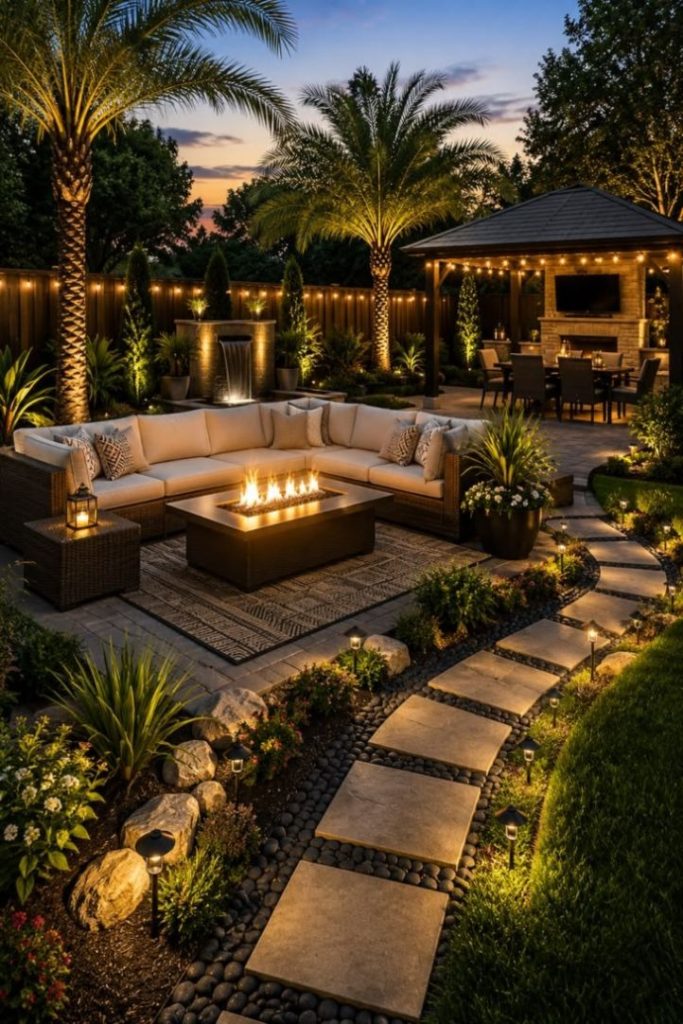
2. Why Plan Your Lighting Before Construction?
Following lighting layout tips during the planning stage helps save time, reduce costs, and prevent installation issues.
Reduce Installation Errors
An accomplished lighting plan assists the electricians in installing the fixtures appropriately and in organizing lighting with ceilings, HVAC systems, and electrical wiring.
Improve Energy Efficiency
The spacing of the fixtures and LED lighting minimizes energy usage. The smart controls and dimmers also contribute to reducing the long-term electricity expenses.
Meet Safety Standards
Install certified lighting products that are in line with UL, CE, IEC, or BS. In wet locations, select the appropriate IP rating, e.g., IP20 in dry rooms, IP44 in bathrooms, and IP65 in outdoor environments.
Avoid Costly Changes
Premeditative construction helps to avoid costly rewiring, ceiling repairs, and delays in the project.
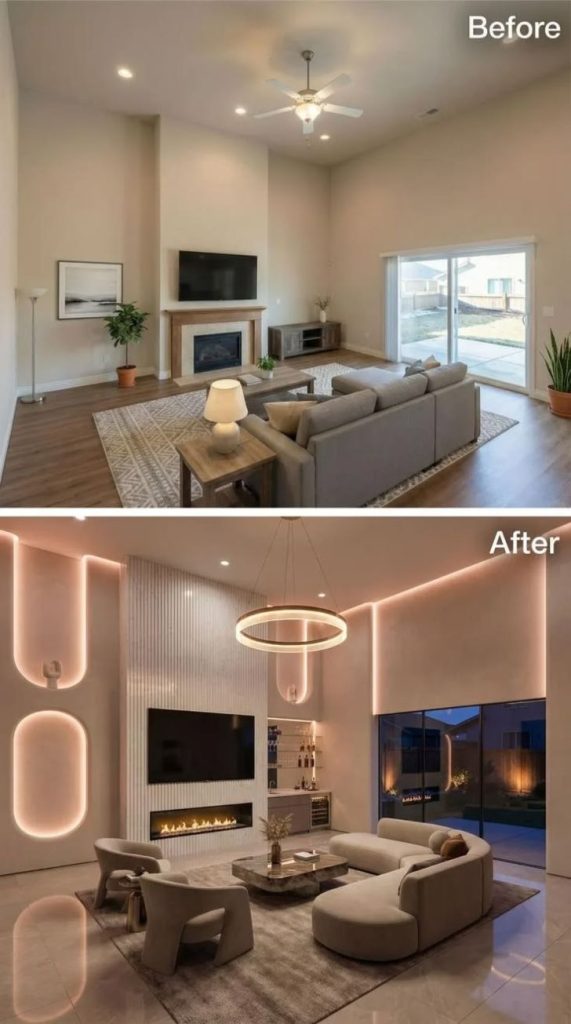
3. Lighting Layout Tips for Different Room Types
Each room is distinct. It implies that each room requires a new lighting plan too.
We will consider each region separately.
Lighting Layout Tips for Living Rooms
There are numerous uses of the living room. Here you can rest, receive guests, watch TV, and have family time. All these activities should be supported by your lighting.
Use Layered Lighting
Rather than using a single ceiling light, use multiple sources of light.
A typical living room consists of:
- Ceiling lights for general lighting
- Even lighting through recessed lights.
- Ceiling lamps on either side of sofas.
- Decoration wall sconces.
- LED cove lights to give it a contemporary look.
Layered lighting makes the room feel larger.
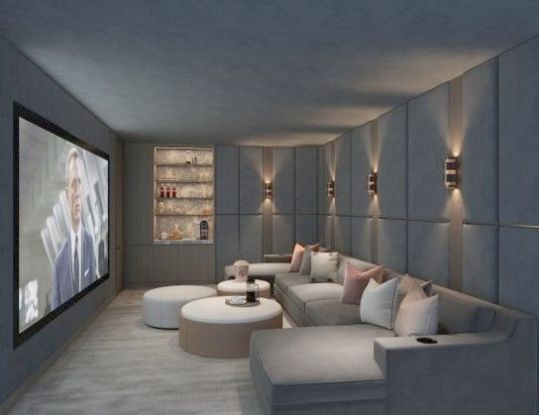
Space Recessed Lights Evenly
The equal spacing of fixtures is one of the best tips to consider in the layout of recessed lighting.
In general, use half the ceiling height to approximate the spacing.
For example:
| Ceiling Height | Approximate Light Spacing |
| 8 ft | 4 ft |
| 10 ft | 5 ft |
| 12 ft | 6 ft |
This brings uniform brightness in the room.
Consider Natural Daylight
When you have big windows in your living room, install recessed lights where they do not interfere with daylight.
This helps reduce electricity use during the day.
Install Dimmers
A dimmer switch allows you to control the brightness during the day.
You can switch to brighter lights when reading and to softer lights when watching movies or when you are with the family.
Lighting Layout Tips for Bedrooms
Bedrooms are supposed to be peaceful, cozy, and relaxing.
Do not install too-bright lights that make the room appear like an office.
Choose Warm Color Temperatures
Light of 2700K to 3000K is warm and makes you feel comfortable before going to sleep.
Bedrooms tend to be overly bright with cool white lighting.
Add Bedside Reading Lights
Light reading materials eliminate eye strain without disturbing some other individual in the room.
Also, wall-mounted lights occupy less space on bedside tables.
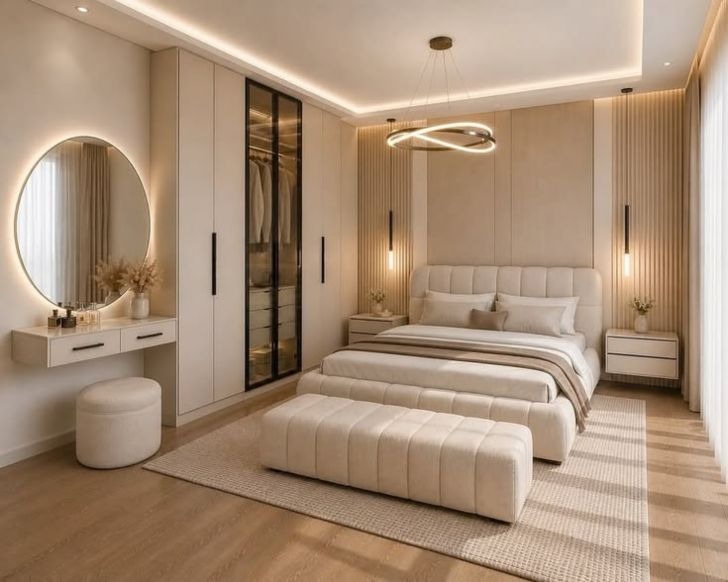
Light Your Wardrobe
Install LED strip lights or recessed lights within wardrobes to enhance visibility.
This easy upgrade will make it a lot easier to locate clothing, particularly in big walk-in closets.
Add Soft Night Lighting
These lighting layout tips for bedrooms improve comfort, safety, and relaxation while making the space more practical for everyday use.
They are particularly effective in family homes, hotels, and senior living communities.
Lighting Layout Tips for Kitchens
Kitchens require brighter lighting than most other rooms since you cook, wash surfaces, and use sharp objects.
A lack of light may impair visibility and complicate everyday activities.
Focus on Task Lighting
Direct lighting is required on countertops.
Under-cabinet LEDs remove the shadows as you cook and prepare meals.
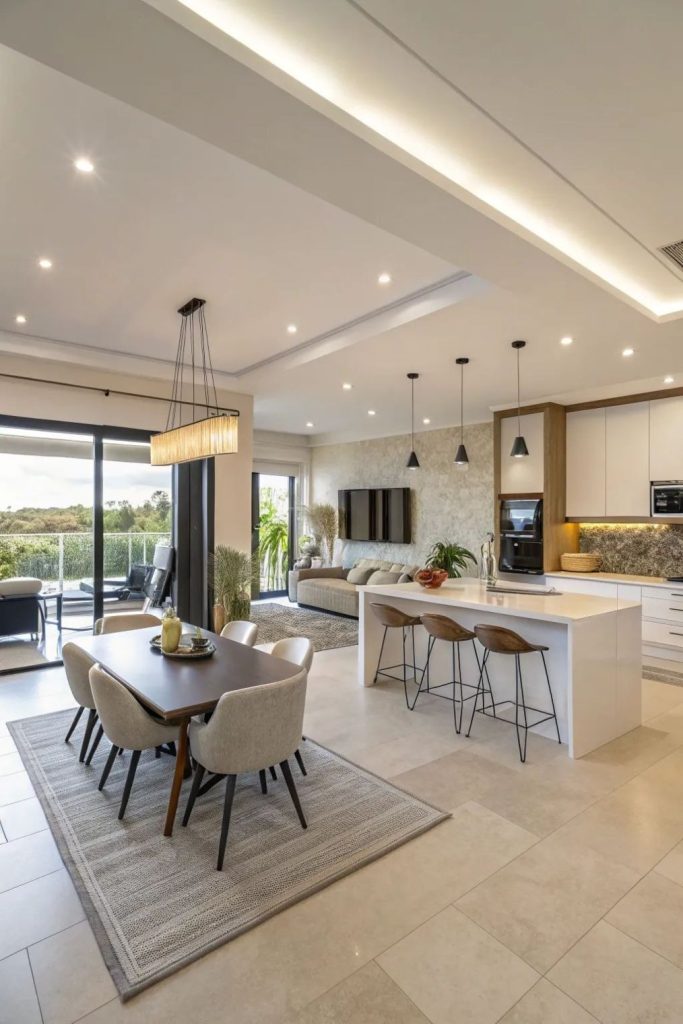
Light the Kitchen Island
Pendant lights should be placed above your kitchen island in case you have one.
The average distance between the countertop and the bottom of each pendant light is 30 to 36 inches, according to most designers.
This height gives it great visibility without being closed.
Brighten Work Areas
Install fluorescent lights in recesses over sinks and cooking and preparation areas.
This gives uniform lighting where it is required.
Don’t Forget Pantry Lighting
A pantry that is well lit enables you to locate ingredients easily and minimizes waste food.
Simple LED ceiling lights are typically bright enough.
4. Recessed Lighting Layout Tips
Recessed lights have continued to be one of the most popular lighting options in modern homes due to their ability to offer clean and even lighting without occupying the visual space.
Nevertheless, their correct installation is a big difference.
Follow Proper Fixture Spacing
A lot of homeowners install an excessive number of recessed lights.
Rather, concentrate on even spacing that is equal to your ceiling height and the size of the room.
The excessive number of fixtures raises the cost of energy and generates unnecessary brightness.
Keep Away Walls
Install recessed lights at a distance of 18-24 inches.
This position minimizes the severity of wall shadows and provides a balanced light.
Match Beam Angles to Room Size
Various angles of beams give varying effects of lighting.
| Beam Angle | Best Use |
| Narrow Beam | Artwork and accent lighting |
| Medium Beam | Living rooms and bedrooms |
| Wide Beam | Large open spaces |
The right beam angle will ensure that light spreads uniformly throughout the room.
Plan Around Furniture
It is important to always determine where the large pieces of furniture will be placed before making your final lighting decision.
As an illustration, recessed lights should not be installed directly over tall wardrobes or kitchen cabinets since they will block the light and cause undesired shadows.
Avoid Common Mistakes
The same lighting problems are observed in many projects:
- Installing lights too close together
- Ignoring furniture placement
- Combining various color temperatures.
- Forgetting task lighting
- Overlooking dimmer controls
- Installing fixtures that have inappropriate IP ratings in wet locations.
These problems are addressed by a professional lighting layout prior to installation.
5. How to Choose the Right Lighting Fixtures
The selection of the appropriate lighting piece is as crucial as the layout. The correct fit not only makes it more comfortable but also conserves energy and also beautifies your space. In choosing the lighting to use in a residential or commercial project, the purpose of the room, ceiling height, maintenance requirements, and the local building codes should be considered.
LED Downlights
LED downlights are commonly used in homes, offices, hotels, and apartments due to the following reasons:
- Low energy consumption
- Long lifespan
- Even light distribution
- Modern appearance
- Low maintenance
In commercial projects, select LED fixtures that have a life of 50,000 hours or longer to minimize maintenance and replacement expenses.
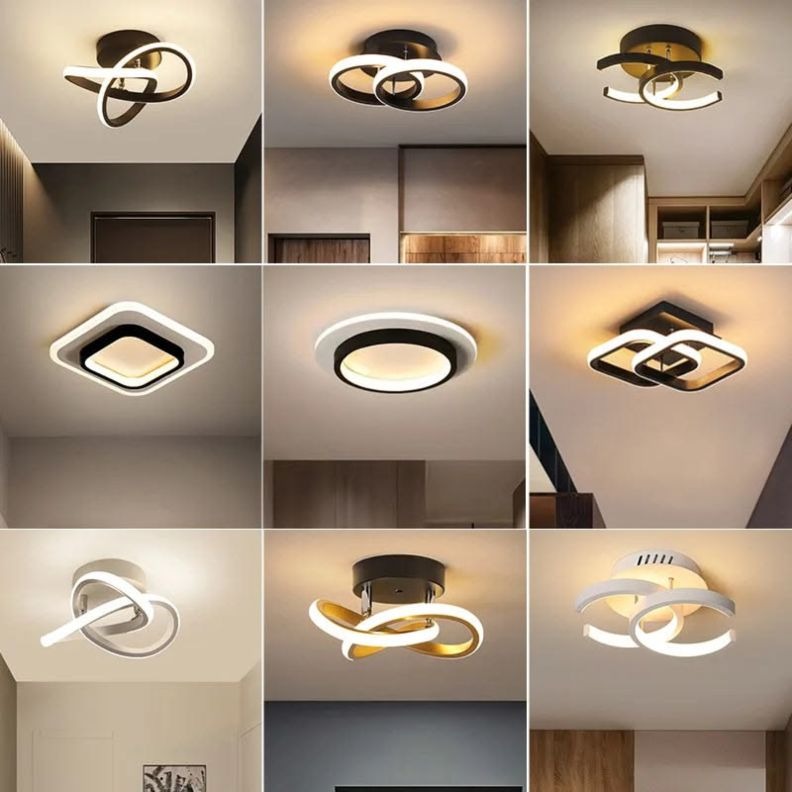
Pendant Lights
Pendant lighting is effective over kitchen islands, dining tables, reception desks, and hotel lounges. Install them about 30–36 inches above the countertop to provide comfortable task lighting and an attractive design.
Track and Linear Lighting
Track lighting would be suitable in retail stores, galleries, showrooms, and offices since you can control each light to highlight the various areas. Linear LED lights offer even lighting and are usually employed in offices, conference rooms, hotel corridors, and contemporary kitchens.
Wall Lights and Cove Lighting
Wall sconces and LED cove lighting create a warm effect and emphasize architectural elements of the wall panels, artwork, textured walls, and ceilings. They are used in homes, hotels, and commercial interiors that are luxurious.
6. Lighting Standards and Certifications You Should Know
The selection of certified lighting products will assist in compliance with the local building standards and provide long-term safety and quality.
| Certification | Purpose |
| UL | Electrical safety for North America |
| CE | European safety compliance |
| IEC | International electrical standards |
| BSI | British building standards |
| ISO 9001 | Quality management certification |
Certified products provide architects, designers, developers, and homeowners with more confidence in the procurement process.
Understand IP Waterproof Ratings
The IP (Ingress Protection) rating indicates the ability of a light fixture to withstand dust and water.
| IP Rating | Best Application |
| IP20 | Bedrooms, living rooms, offices |
| IP44 | Bathrooms and laundry rooms |
| IP54 | Covered outdoor areas |
| IP65 | Outdoor and wet locations |
Selecting the right IP rating enhances the safety, durability, and life of products.
Consider Fire Safety Requirements
Lighting can be used on commercial projects that have 20, 60, or 90-minute fire-rated ceilings and partitions. Fire-rated systems assist in slowing down the fire spread and assist in the compliance with the local building laws, particularly in hotels, hospitals, schools, and office buildings.
Choose High-Quality LED Components
An LED lamp is a quality product that relies on the driver and LED chip. High-quality drivers provide:
- Stable brightness
- Less flickering
- Longer service life
- Better energy efficiency
The selection of good components leads to low maintenance costs and high performance in the long run, particularly in large commercial works.
7. Color Temperature and Brightness Guide
A lot of individuals are concentrated on the design of fixtures and overlook the color temperature.
Nevertheless, the wrong color temperature may alter the feel of a room entirely.
Which Color Temperature Should You Choose?
| Color Temperature | Best For |
| 2700K | Bedrooms, hotels, lounges |
| 3000K | Living rooms, villas, restaurants |
| 4000K | Kitchens, offices, retail stores |
| 5000K | Warehouses, hospitals, workspaces |
Light that is warm helps to relax and cooler light enhances visibility and concentration.
Understand CRI (Color Rendering Index)
The Color Rendering Index (CRI) is a measure of the ability of lighting to display the true colors of objects.
The greater the CRI values, the more natural colors will be.
| CRI Value | Quality |
| Above 90 | Excellent |
| 80–89 | Good |
| Below 80 | Basic |
In the case of homes, hotels, retail stores, and showrooms, a CRI of over 90 tends to give the best visual experience.
Use the Right Brightness
The brightness varies according to the size and purpose of the room.
For example:
- The bedrooms should have softer lighting.
- Kitchens need brighter task lighting.
- Productivity requires offices to have uniform light.
- Layered lighting is advantageous in hotel lobbies, as it is both comfortable and elegant.
A balanced and comfortable environment is achieved by planning brightness appropriately.
8. Smart Lighting Solutions for Modern Homes
Smart lighting is gaining more and more popularity due to its ability to enhance convenience and save energy expenses.
You can manage numerous systems using:
- Mobile apps
- Voice assistants
- Smart switches
- Motion sensors
- Timers
These characteristics simplify day-to-day life and enhance energy efficiency.
Motion Sensors
Motion sensors are used to automatically switch lights on when a person enters a room and turn them off when the area is empty.
They are particularly effective in:
- Hallways
- Bathrooms
- Storage rooms
- Parking garages
- Hotel corridors
This basic upgrade assists in minimizing the amount of electricity consumed, which is unnecessary.
Smart Dimmers
Rather than relying on a single brightness level throughout the day, smart dimmers allow you to control the lighting according to your activity.
For example:
- Light cleaning lights up.
- Family get-togethers, medium lighting.
- Movie light.
Smart dimmers also contribute to the longer life of LEDs since the lamps are frequently used at less than full power.
9. Lighting Automation for Commercial Projects
Lighting is commonly part of a Building Management System (BMS) in large buildings.
These systems can:
- Schedule operating hours
- Monitor energy usage
- Reduce maintenance
- Improve efficiency
- Lower operating costs
Automated lighting is now incorporated in the energy management of many hotels, hospitals, shopping centers, and office buildings.
10. Common Lighting Layout Mistakes to Avoid
The finest lighting fixtures can not correct a bad layout. These are some of the pitfalls to avoid:
- Placing recessed lights in excess numbers rather than spacing them out.
- Neglecting natural daylight, which can raise the energy expenses.
- Using a single source of light rather than a combination of ambient, task, and accent lighting.
- Combining various color temperatures in the same room.
- Losing memory of future maintenance and access to fixtures.
- Bypassing professional planning of large commercial projects.
Properly designed lighting plan enhances comfort, efficiency, and long-term performance.
11. Lighting Layout Tips for Commercial Projects
The lighting in commercial buildings should enhance comfort, safety, and energy efficiency and must comply with local building standards.
Hotels and Apartments
Add ambient, task, and accent lighting to make the atmosphere warm and comfortable. Commercial projects may also be in need of fire-rated lighting systems.
Modern Offices
Integrate ceiling, workstation, and meeting room lighting to enhance productivity. LED linear lights and dimmers serve to minimize glare and conserve energy.
Hospitals and Nursing Homes
Install low-intensity lighting in patient rooms, high-intensity lighting in exam rooms, and regular lighting in corridors to enhance safety and comfort.
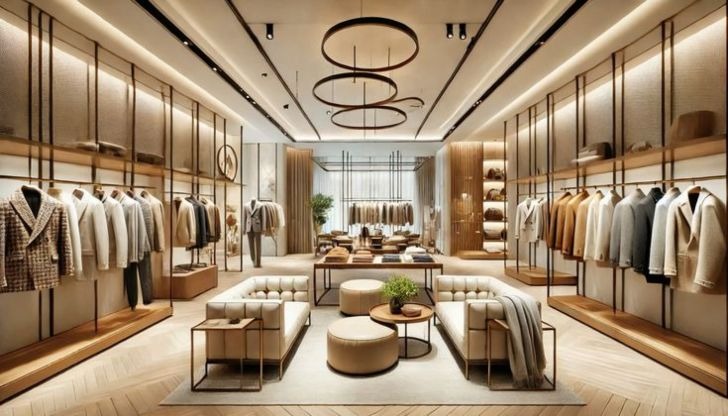
Retail Stores and Showrooms
Combine ambient, accent, and display lighting. High-CRI lamps make products look more natural and beautiful.
12. Professional Lighting Planning for Large Projects
Professional planning assists in aligning lighting to ceilings, electrical systems, HVAC and fire protection, minimizing errors in installation and project delays.
2D Design and 3D Modeling
The 2D layouts enhance accuracy in the installation, whereas the 3D renderings assist in visualizing the completed space prior to production.
System Compatibility
Commercial lighting must be compatible with emergency lighting, intelligent control, motion sensors, and other building systems.
13. Custom Lighting Solutions
Big projects may need tailor-made lighting with regard to the size of the fixtures, wattage, beam angle, color temperature, mounting technique, and finish to suit the design of the project.
Why Source Lighting from China?
Most developers prefer China due to competitive prices, custom-made manufacturing, one-stop shopping, and various lighting solutions. Collaborating with authorized suppliers is one way of guaranteeing quality and punctuality.
How We Support Your Project
We offer one-stop solutions of indoor building materials in residential and commercial projects such as lighting, doors, flooring, wall panels, cabinets, wardrobes, ceilings, bathroom vanities, and furnishings.
Our services include:
- 2D lighting layout corresponding.
- 3D rendering design
- Product recommendations
- Custom manufacturing
- Quality inspections
- Bulk production
- International logistics
- Installation guidance
Our team assists architects, designers, developers, contractors, and homeowners to accomplish projects effectively and within international standards like ISO and CE.
14. Conclusion
An effective lighting system will make your interior more comfortable, better, and less costly in the long run in terms of energy and maintenance. You are either building a house or a commercial establishment; these tips on lighting layout will assist in the development of a safe, functional, and attractive space.
We offer one-stop solutions for building materials at George Group, such as custom lighting, 2D layout functionality, rendering design, and project management services. Get in touch with us and discuss our tailored lighting solutions and finish your project without any doubts.
FAQs About Lighting Layout Tips
What are the most important lighting layout tips?
Pre-plan your lighting, employ ambient, task, and accent lighting, select the appropriate color temperature, and install dimmers where feasible.
How far apart should recessed lights be?
One of the rules is to divide your ceiling height by half. To take an example, a 10-foot ceiling will need approximately 5 feet between recessed lights.
What is the best color temperature?
| Room | Color Temperature |
| Bedroom | 2700K–3000K |
| Living Room | 2700K–3000K |
| Kitchen | 4000K |
| Office | 4000K |
| Hospital | 4000K–5000K |
| Retail Store | 3500K–4000K |
Which certifications should lighting products have?
Select products that have been certified to UL, CE, IEC, BS or ISO. In wet locations, install fixtures with the appropriate IP rating like IP44 or IP65.
Can recessed lighting save energy?
Yes. Proper spacing and smart controls, as well as LED recessed lighting, contribute to the decrease of electricity usage.
Is custom lighting better for commercial projects?
Yes. Hotels, offices, villas, and apartment projects are usually favored with customized lighting that is in tandem with project drawings and design needs.