
Choosing the right standard bathtub size may seem simple, but it can affect your entire bathroom project. A bathtub that fits properly makes your bathroom more comfortable, functional, and attractive. On the other hand, a bathtub that is too large or too small may cause difficulties in installation, raise expenses, and decrease the value of your space in general.
You need to know the right standard bathtub size to buy, whether you are constructing a new villa, refurbishing your house, or designing a hotel or a big commercial project. At George Group, we support architects, designers, developers, contractors, and homeowners with one-stop building material solutions. Our team assists you in selecting the appropriate products, provides design assistance, and offers tailor-made solutions that meet your project needs and save time and procurement.
1. What Is the Standard Bathtub Size?
The standard bathtub size is the most widespread and is made to fit in most residential bathrooms and still allow sufficient space to have a comfortable bathing experience. The dimensions have become the standard in the industry since they can be used with the common plumbing layouts and bathroom designs.
| Measurement | Standard Size |
| Length | 60 inches (5 feet) |
| Width | 30–32 inches |
| Height | 14–20 inches |
| Water Depth | 12–16 inches |
Most residential bathrooms are equipped with a 60-inch bathtub that is large enough to take a comfortable bath. Smaller spaces might need smaller tubs, whereas bigger ones can be installed in larger bathrooms.
Hint: Before purchasing a new bath, measure your bathroom to make certain that there is enough room to install, clean, and move freely around the tub.
2. Standard Bathtub Size in Feet
The sizes of bathtubs are frequently represented in feet since they are simpler to comprehend when it comes to planning. The correct length will be determined by what space you have and what you intend to do with the bathtub.
| Bathtub Size | Best For |
| 4.5 ft (54″) | Small bathrooms |
| 5 ft (60″) | Most homes |
| 5.5 ft (66″) | Master bathrooms |
| 6 ft (72″) | Villas and luxury homes |
The most popular one is a 5-foot bathtub since it can fit the normal bathroom design and is very comfortable to use on a daily basis.
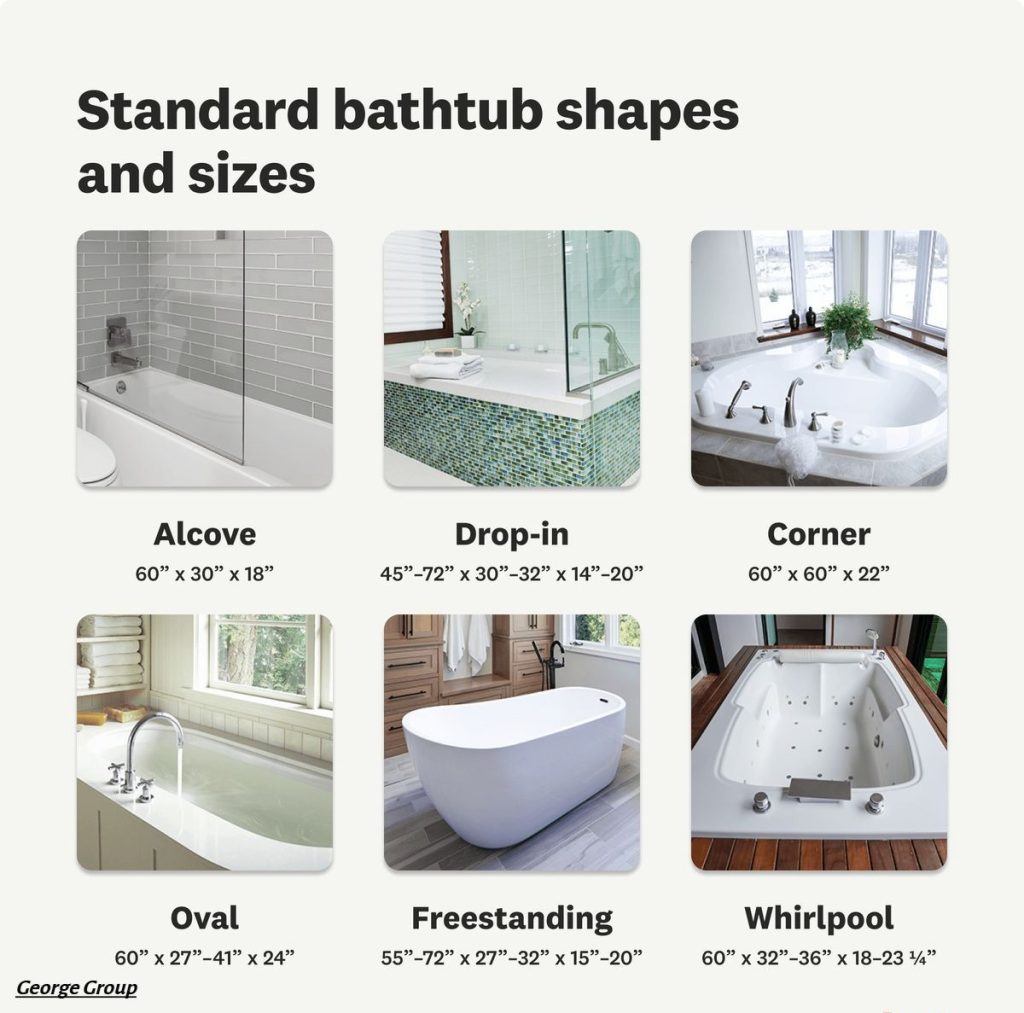
3. Standard Size Bathtub Dimensions by Type
Bathtubs are not of the same size. The various bathtub styles suit various layouts of the bathrooms, modes of installation, and levels of comfort.
Freestanding Bathtubs
- Length: 55–72 inches
- Width: 27–36 inches
- Height: 20–30 inches
Best for spacious bathrooms, villas, and luxury homes. They are a contemporary focal point and come in a variety of shapes and finishes.
Alcove Bathtubs
- Length: 60 inches
- Width: 30–32 inches
- Height: 14–20 inches
The most popular option is used in bathrooms of residential houses due to its low cost, space-saving nature, and simple installation.
Drop-In Bathtubs
- Length: 60–72 inches
- Width: 30–36 inches
Fitted in a built-in deck to create a clean, custom look. They are usually installed in high-end residences and hotels.
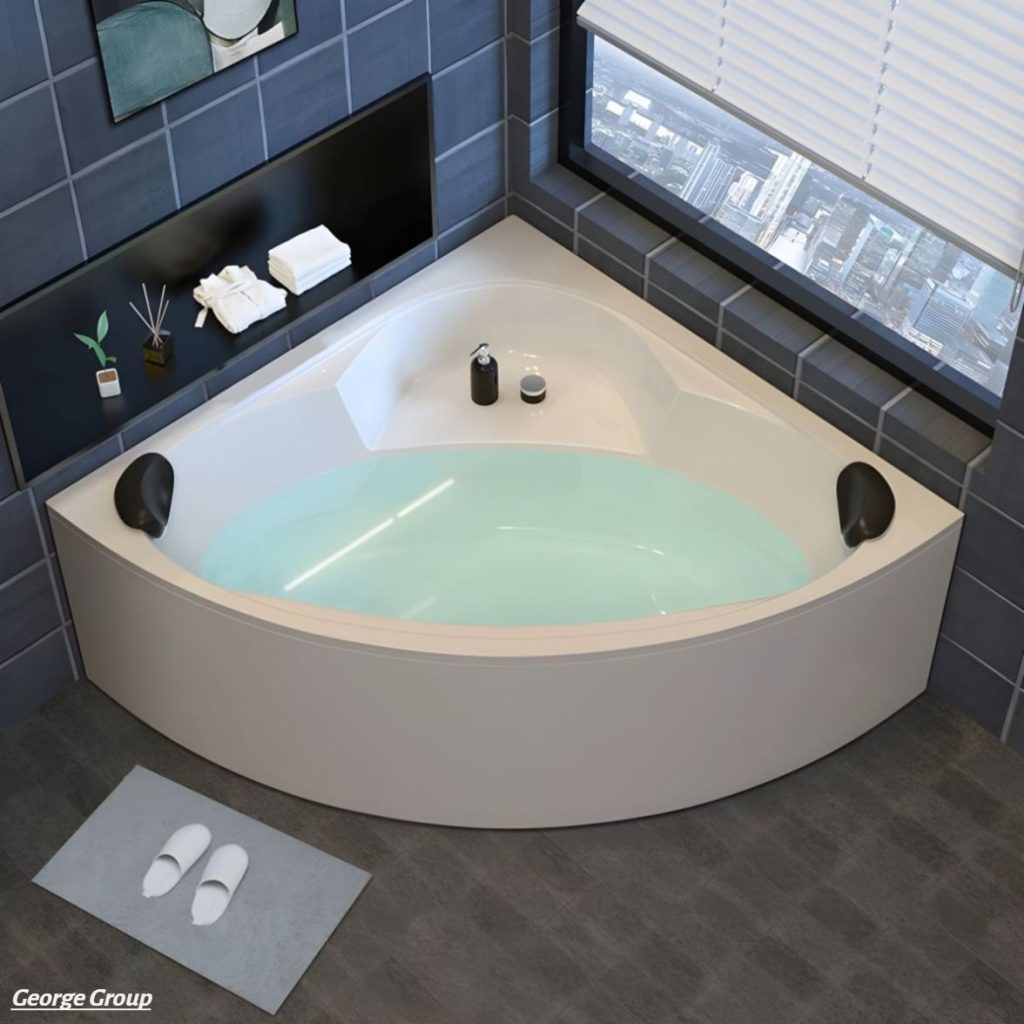
Corner Bathtubs
Common sizes:
- 48 × 48 inches
- 60 × 60 inches
Best suited for bigger bathrooms where the corner area can be utilized effectively and still provide a relaxing bathing space.
Oval Bathtubs
- Length: 60–72 inches
- Width: 30–42 inches
Their smooth curves give bathrooms a more elegant appearance and are used in high-end residential and hotel projects.
Walk-In Bathtubs
- Length: 50–60 inches
- Width: 28–32 inches
They have a built-in door to ensure easy access, thus making it suitable for the elderly and individuals with low mobility.
Soaking Bathtubs
- Length: 60–72 inches
- Water Depth: 18–24 inches
These tubs are deeper than the standard ones and you can have a more relaxing and immersive bathing experience.
4. Standard Bathtub Shower Size
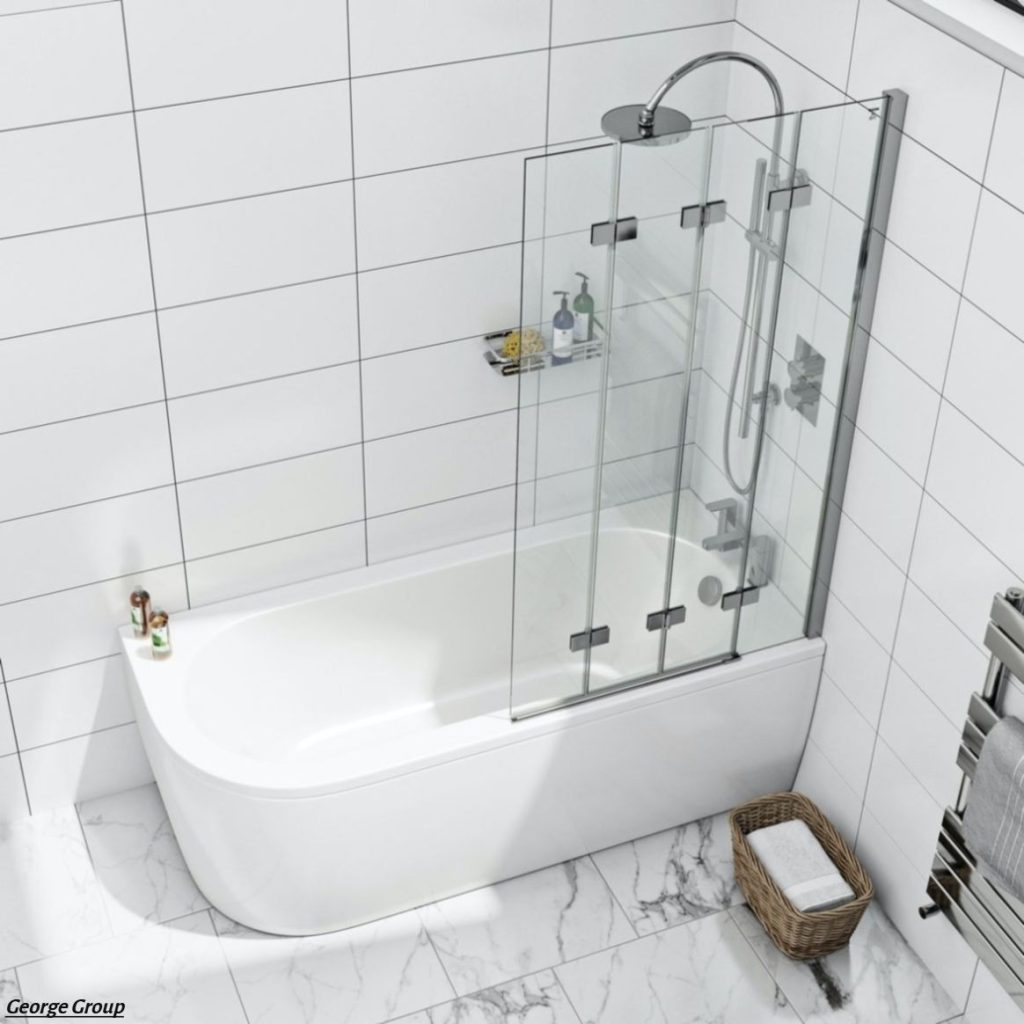
One of the most effective bathroom layouts is a bathtub and shower combination since it is space-saving and offers a combination of bathing and showering.
| Feature | Standard Size |
| Bathtub Length | 60 inches |
| Shower Width | 30–36 inches |
| Shower Height | 80 inches |
| Glass Panel Height | 58–72 inches |
For long-lasting performance, include:
- Waterproof walls
- Slip-resistant flooring
- Proper drainage
- Waterproof sealants
- Mold-resistant materials
These characteristics enhance safety and maintenance and assist in keeping your bathroom in good shape even after several years.
5. Standard Bathtub Shower Curtain Size
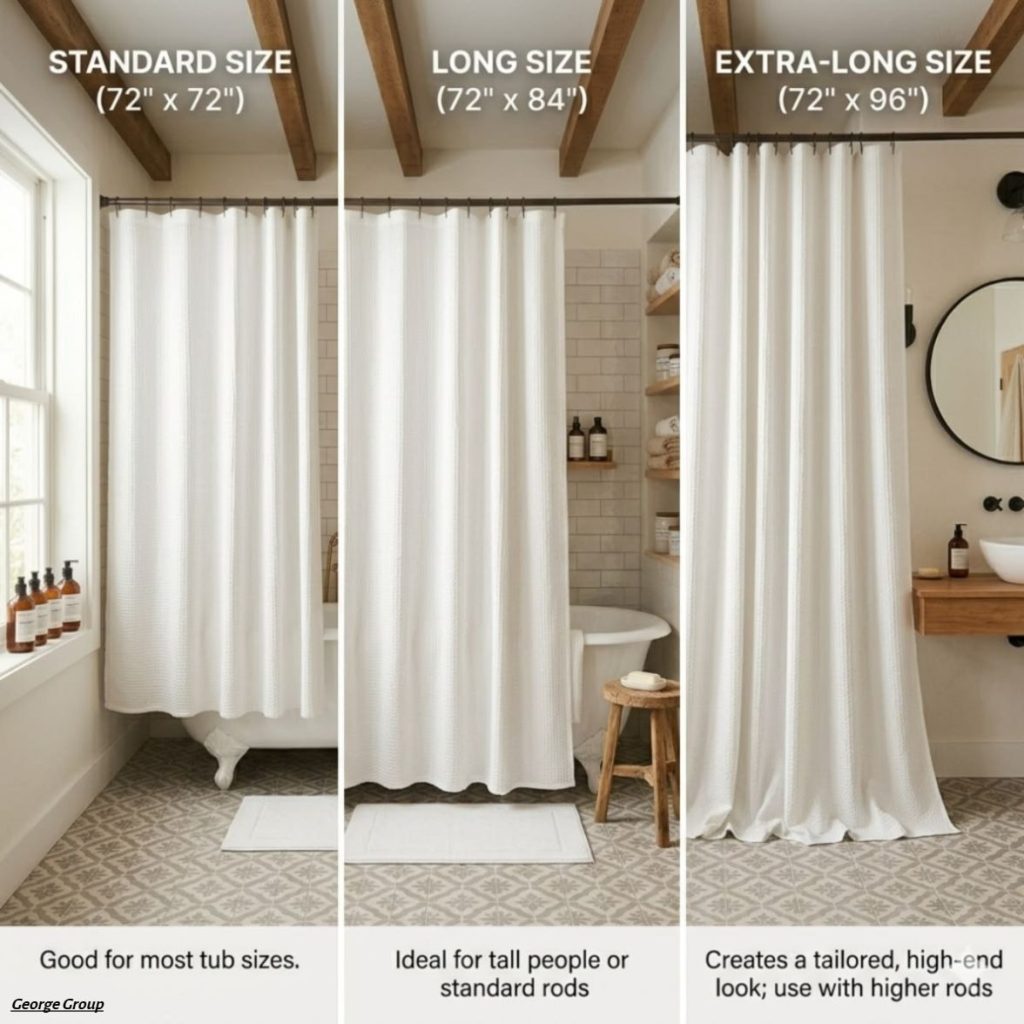
Selecting the right size of the shower curtain can prevent splashing of water on the floor of the bathroom and enhance the overall look of the room.
| Curtain Size | Standard Measurement |
| Width | 70–72 inches |
| Height | 70–72 inches |
Bathrooms that have a higher ceiling might require 78 to 84-inch curtains.
Hang the curtain rod a few inches higher than the bathtub to cover it. To make their homes look more contemporary, a lot of homeowners prefer glass shower screens to curtains.
Design Hint: Use your shower curtain to match the colors and accessories in your bathroom so as to make a clean and coordinated design.
6. Standard Bathtub Drain Size and Plumbing Requirements
The right size of the bathtub is as important as proper plumbing. The location and size of the drain match to prevent delays in installation and extra plumbing.
| Feature | Standard Measurement |
| Drain Pipe Diameter | 1.5 inches |
| Overflow | Built-in overflow |
| Water Supply | Hot and cold lines |
| Drain Position | Left, right, or center |
Check the location of the drain before buying a bathtub to ensure that it fits your current plumbing. Durable stainless steel or brass drain fittings are also used to enhance performance and minimize maintenance.
Note: Before ordering, make sure that you verify the position of the drain to prevent expensive adjustments in the future.
7. How to Choose the Right Standard Bathtub Size
The correct standard bathtub size must fit well in your bathroom and satisfy the requirements of your family. An effective selection will enhance comfort and ease of installation and will assist you in staying within your budget.
Consider these factors before buying:
- Measuring the bathroom.
- Provide ample space to walk around the bathtub.
- Select the appropriate size of those who will use it.
- Fit the existing plumbing.
- Adhere to local building codes.
- Establish a budget that is realistic.
You can also review guidance from the International Code Council (ICC) to ensure your bathroom complies with local construction requirements.
8. Standard Bathtub Size for Different Projects
Various types of buildings have varied requirements. Choosing the right standard bathtub size improves comfort, functionality, and maintenance.
Villas and Luxury Homes
Popular choices include:
- Freestanding bathtubs
- Deep soaking tubs
- Stone resin bathtubs
- Custom-designed models
These offer high-quality appearance and increased comfort.
Hotels and Resorts
Hotels often choose:
- Standard 5-foot bathtubs
- Acrylic bathtubs
- Easy-clean finishes
- Scratch-resistant surfaces
These are durable, comfortable, and easy to maintain.
Apartments and Residential Buildings
The majority of apartments have standard alcove bathtubs as they
- Save space
- Cost less
- Install easily
- Match standard plumbing
Hospitals and Senior Living Facilities
Walk-in bathtubs are usually installed in healthcare projects to enhance the safety of:
- Older adults
- People with disabilities
- Wheelchair users
- Limited mobility users.
9. Bathtub Materials and Their Benefits
The type of material that you use influences durability, heat retention, maintenance, look, and price. All the materials have various benefits with regard to the type of project and the budget.
| Material | Best For |
| Acrylic | Homes, apartments, hotels |
| Fiberglass | Budget-friendly projects |
| Cast Iron | Luxury homes |
| Stone Resin | Villas and hotels |
| Solid Surface | High-end commercial projects |
Acrylic: Light and hardy, cleanable.
Fiberglass: Low cost and easy to install.
Cast Iron: It is very tough and has good heat retention.
Stone Resin: Hard and with a high-quality finish.
Solid Surface: Smooth, sleek, and simple to fix.
10. Compliance, Certifications, and International Standards
Bathtubs used in commercial and export projects should be of known quality and safety standards. Certified products are more reliable, adhere to regulations, and enhance confidence in buyers.
Important certifications include:
- ISO Certification of uniform quality in manufacturing.
- CE Certification of most European markets.
- ADA Accessibility of more accessible and safer bathrooms.
- Waterproof construction to prevent leaks and moisture damage.
- Slip-resistant floors to enhance safety in bathrooms.
- Water-efficient designs to save on water.
- Prior shipment quality checks to make the products reliable.
At George Group, we offer quality inspection, tailored solutions, and project support to aid in ensuring that each bathtub fulfills your project needs.
11. Custom Bathtub Sizes for Large Commercial Projects
Commercial projects that are large in nature may need custom bathtub sizes as opposed to standard bathtubs. Hotels, villas, serviced apartments, hospitals, and luxury homes may require tailor-made dimensions, materials or finishes to suit their designs.
At George Group, we offer tailor-made bathtubs, such as:
- Custom bathtub dimensions
- Stone resin, solid surface materials, and acrylic.
- Matte or shiny finishes.
- Custom colors
- Matching bathroom accessories
- OEM & ODM manufacturing
- Large-scale manufacturing of commercial projects.
We also provide 2D layouts and 3D renderings to enable you to view the design prior to production.
12. Why Choose a One-Stop Building Materials Supplier?
Handling multiple suppliers may increase project costs and time delays. Collaboration with a single supplier makes procurement easier, enhances contact, and assists in ensuring the quality of products during the project.
We offer at George Group the following:
- Total sourcing of bathroom products.
- 2D layout and 3D design assistance.
- Pre-shipment quality inspection.
- Bulk order management
- Quality manufacturing and delivery.
- Installation guidance
A one-stop solution can be used to maintain the quality and quicker completion of the project.
13. Common Mistakes When Choosing a Standard Bathtub Size
Lots of installation issues occur due to the fact that customers are concentrated on the looks rather than planning. By making some simple mistakes, time and money can be saved in the construction process.
- Buying before measuring the bathroom
- Disregarding the drain and plumbing location.
- Preferring to look good, not to feel good.
- Losing access to doorways and corridors.
- Overlooking local building standards
- Selecting low-quality materials
Hack: Before ordering, make a checklist of room size, plumbing layout, material, certifications, and installation requirements.
14. Conclusion: Choose the Right Standard Bathtub Size for a Successful Project
Selecting the appropriate standard bathtub size will assist you in designing a bathroom that looks good, works, and lasts long. Knowing the standard dimensions, bathtub styles, materials, plumbing needs, and international standards will help you make better-informed decisions in homes, villas, hotels, apartments, and commercial buildings. Planning can also assist in minimizing problems in installation, cost control, and keeping your project on time.
At George Group, we offer more than quality building materials. We provide full project services in customizing products, matching 2D layouts, 3D rendering, quality checks, and one-stop procurement. Be it a luxury villa, hotel development, or large commercial project, we assist you in identifying the appropriate bathtub solutions for your design, budget, and schedule.
Contact us now and tell us about your project needs and how our tailored solutions can save you time and costs and deliver your project with the confidence you deserve.
FAQs About Standard Bathtub Size
What is the standard size of a bathtub?
The standard bathtub size is approximately 60 inches long, the width is 30-32 inches, and the height is 14-20 inches.
What is the standard bathtub size in feet?
The average size of the bathtub is 5 feet (60 inches). Bigger ones are 5.5 feet and 6 feet.
What is the standard bathtub drain size?
The majority of conventional bathtubs have a 1.5-inch drain pipe with an inbuilt overflow.
What is the best bathtub size for a small bathroom?
Small bathrooms should have a 54-inch or 60-inch alcove bathtub, as it does not take much space yet is comfortable.
Which bathtub material is the most durable?
The most durable materials are cast iron and stone resin. Acrylic is another favorite option since it is lightweight, durable, and maintenance-free.
Can I customize a bathtub for a hotel or villa project?
Yes. Commercial and luxury residential projects have custom bathtub sizes, materials, colors, and finishes.
How do I choose the right bathtub for a commercial project?
Take into account your space, plumbing plan, building requirements, material, maintenance needs, and budget. Procurement and installation can also be made easier by working with a one-stop supplier who is experienced.