
Swing doors are the most common type of door used in homes, villas, offices, hotels, and commercial buildings due to their durability, ease of use, and the variety of materials and designs. They are hinged on a side of the frame and may swing in or out, according to the installation. In selecting a swing door, you must take into consideration the material, hardware, fire rating, sound insulation, accessibility, certifications, and long-term performance to make sure that it suits your project.
George Group offers residential and commercial developments with one-stop indoor building material solutions in customized swing doors, professional design services, international certification, and global project delivery.
1. What Is a Swing Door?
A swing door is a hinged door that opens by swinging either inwards, outwards, or both around its hinges. It is among the most common types of doors in use since it provides easy operation, high durability, and fits well with most architectural designs.
Swing doors need sufficient space to allow the door leaf to swing as opposed to sliding doors that slide on a track. This makes them suitable in doorways, bedrooms, offices, meeting rooms, hotels, and most business areas where accessibility is of the essence.
How Does a Swing Door Work?
A swing door is a hinged door that is attached to one side of the frame. The hinges enable the door to swing when you push or pull the handle.
Certain swing doors open on one side, and others swing on both sides, like the kitchen doors in a restaurant, to enhance movement within the busy sections.
Main Components of a Swing Door
Each swing door has some key components that work together to ensure safe operation and easy functionality.
| Component | Purpose |
| Door Leaf | The central door panel, which opens and closes. |
| Door Frame | Gives support to the whole door system. |
| Hinges | Allow the door to swing smoothly. |
| Lockset | Offers security and access control. |
| Door Closer | Automatically closes the door after opening |
| Weather Seals | Minimize air loss, dust and noise. |
| Threshold | Enhances sealing and accessibility. |
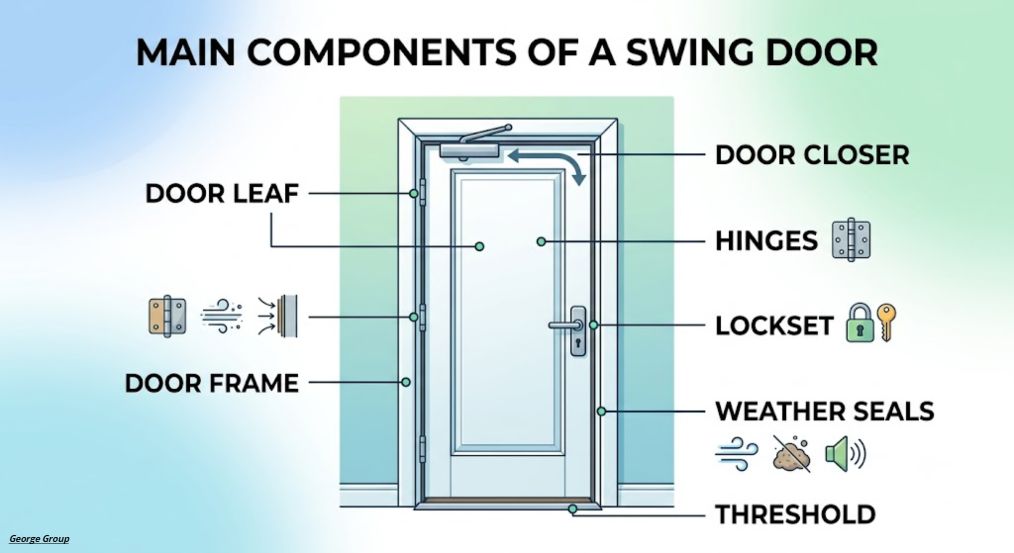
In the case of commercial buildings, other hardware like panic bars, electronic locks, heavy-duty hinges, and access control systems can enhance safety and building code standards.
Where Are Swing Doors Commonly Used?
Swing doors suit any kind of structure since they are made of various materials, finishes, and sizes.
Common applications include:
- Residential homes
- Luxury villas
- Apartments
- Hotels and resorts
- Office buildings
- Hospitals and nursing homes
- Schools and universities
- Retail stores
- Restaurants
- Shopping malls
Different environments require different performance features. As an illustration, hospitals tend to require antibacterial coatings and easy accessibility by wheelchairs, whereas hotels tend to focus on sound insulation and high-quality finishes.
2. Types of Swing Doors
All swing doors do not operate in the same manner. The most suitable one will be based on your space, traffic, privacy requirements, and design preferences.
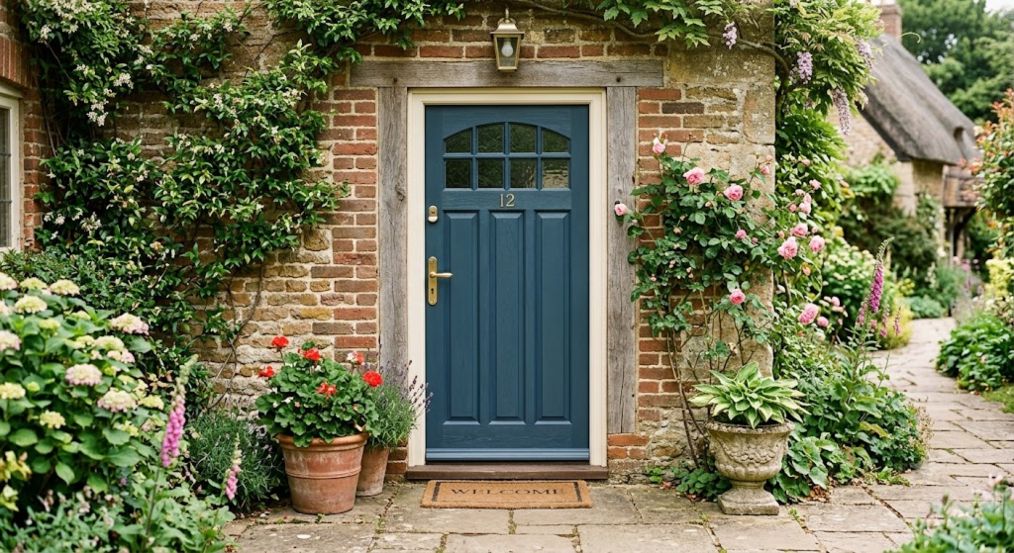
Single Swing Door
One door panel is fixed on one side on hinges to a single swing door.
It is the most popular when it comes to bedrooms, bathrooms, offices, and apartments since it is easy, cheap, and easy to install.
Best for:
- Homes
- Offices
- Hotel rooms
- Small commercial spaces
Double Swing Door
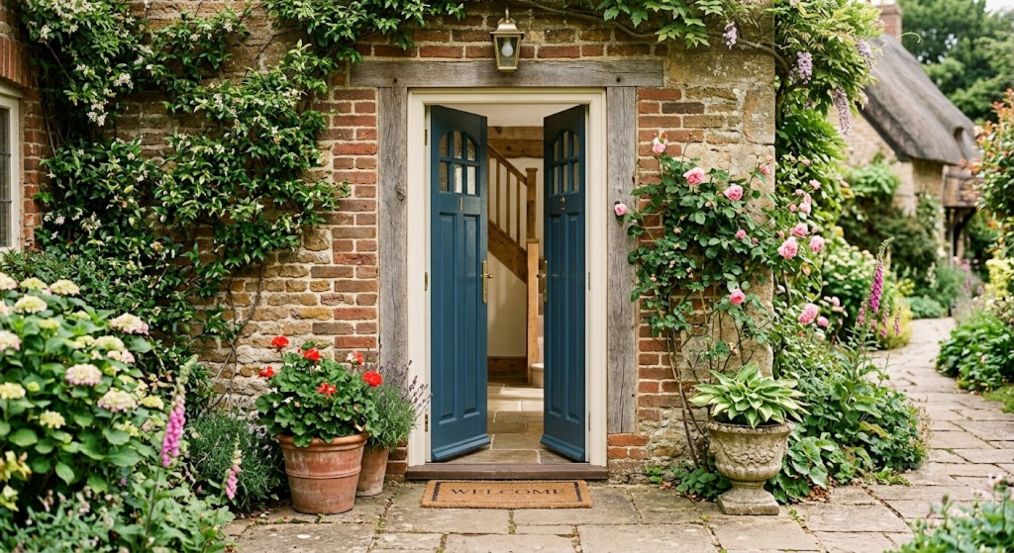
A double swing door consists of two door panels that swing out in the middle.
This design forms a larger entryway and is therefore suitable in luxury homes and commercial buildings that experience a lot of traffic.
This will be common with:
- Hotel entrances
- Villas
- Conference rooms
- Hospitals
- Shopping centers
- Restaurants
They improve accessibility by allowing people, furniture, and equipment to pass through easily.
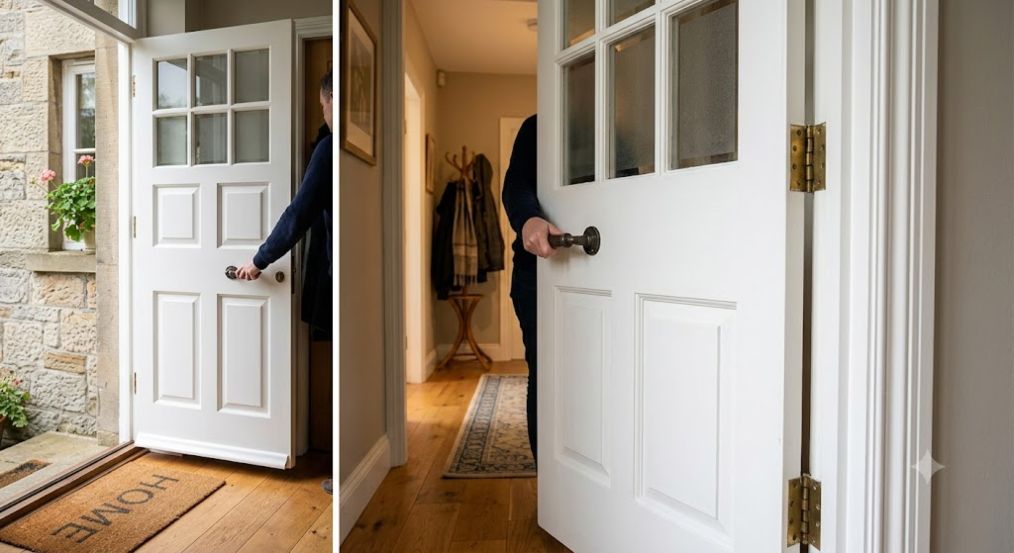
Swing In Door
There is a swing-in door leading to the interior of the room.
The reason why many homeowners use this option is that it keeps the door dry due to strong wind and rain. It is also used to enhance security in most residential applications.
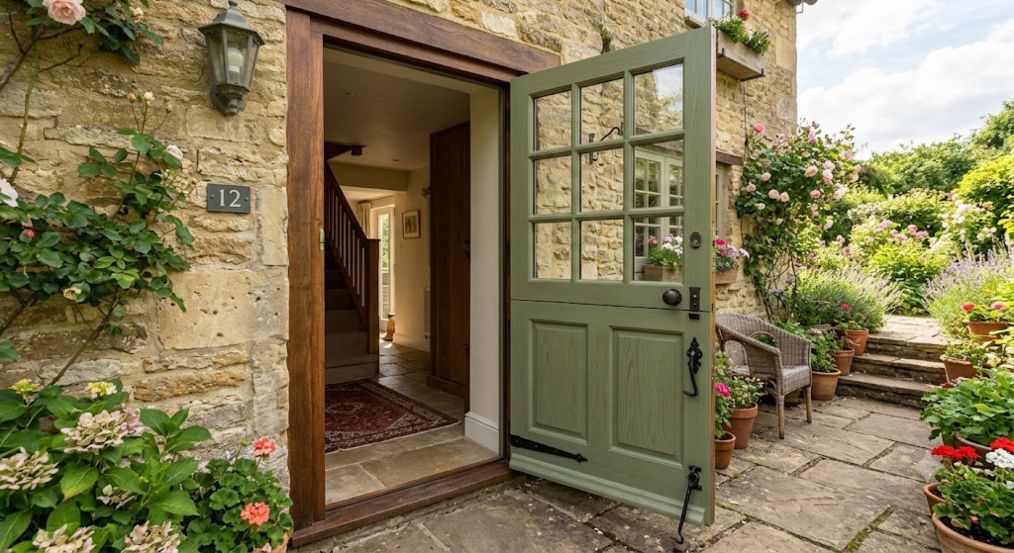
Swing Out Door
There is a swing out door that opens out of the room.
Swing-out doors are common in commercial buildings due to their ability to offer quicker emergency exit and enhance movement in crowded places.
When properly installed, some exterior doors swing outward to create more interior space and enhance weather resistance.
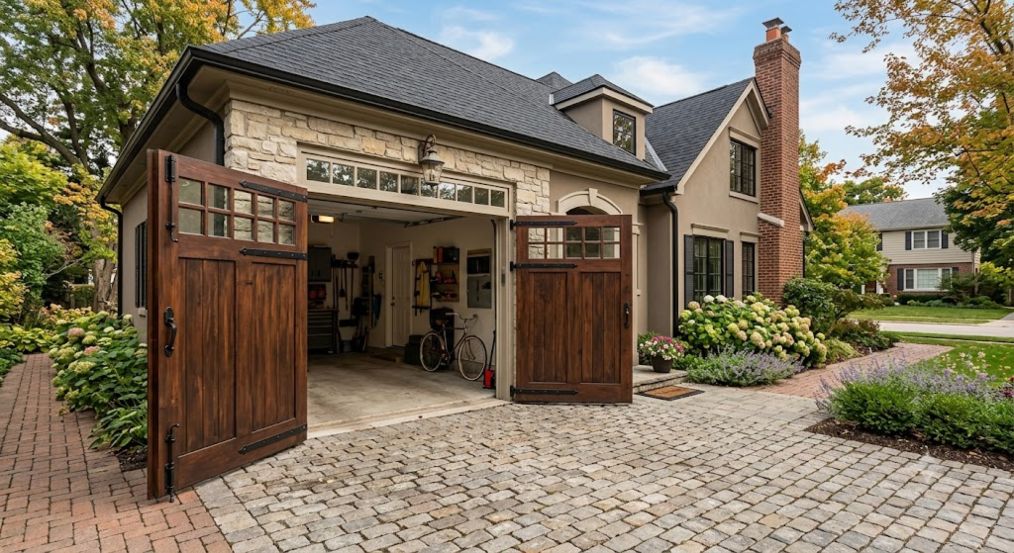
Swing Out Garage Doors
Swing out garage doors are also used in contrast to overhead garage doors, where the doors open in the center, as in the case of traditional carriage doors.
They are preferred by many homeowners because of:
- Luxury villas
- Farmhouses
- Heritage homes
- Custom garages
They give a classic look and offer convenient upkeep.
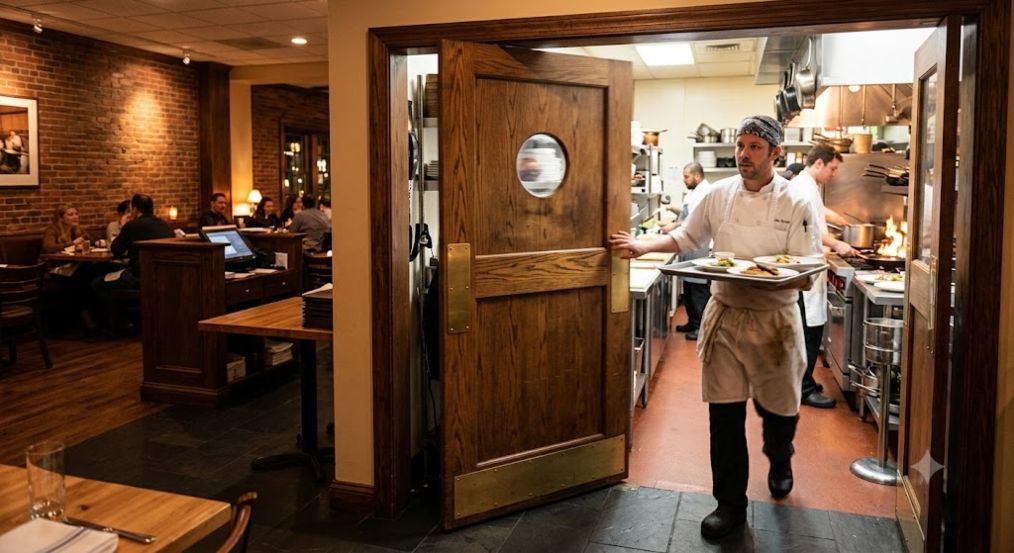
Swinging Kitchen Door
A swinging kitchen door typically swings in both directions.
These doors are used in restaurants, hotels, and commercial kitchens since the staff members can move fast without necessarily halting to either pull or push the door towards a particular direction.
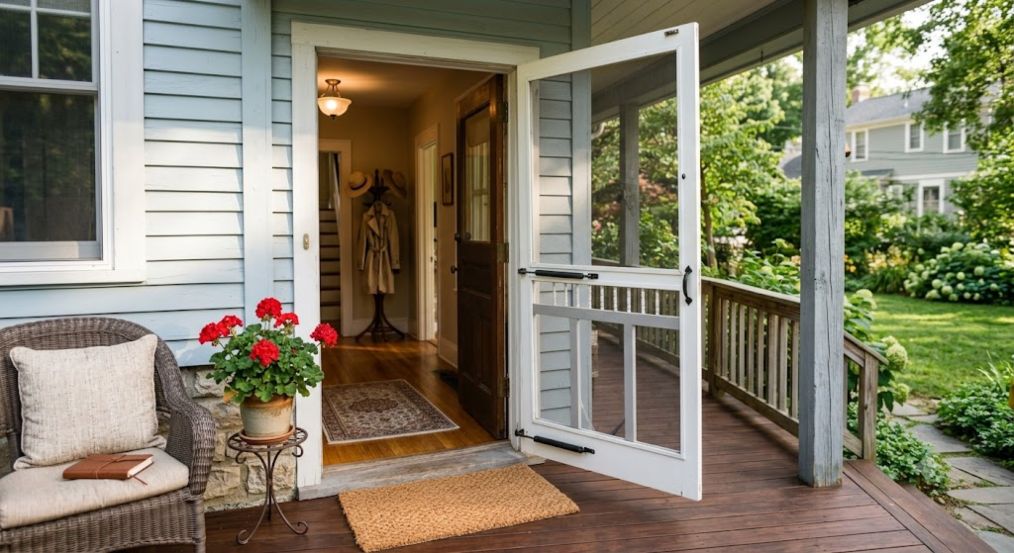
Swinging Screen Door
A swinging screen door will allow fresh air to go inside but keep insects outside.
Most homeowners have them installed in patios, balconies, and garden entrances.
Slide and Swing Door
A slide and swing door is a type of door that has both the sliding and swinging capabilities.
It is applicable in contemporary houses where space and flexibility matter.
3. Door Swings vs Door Handling: What Is the Difference?
Door swing and door handling are often confused, yet they are used to describe different aspects of the functionality of a door.
Knowing the distinction will allow you to not order the wrong door, particularly with custom residential or commercial work.
| Aspect | Door Swing | Door Handing |
| Definition | Describes the direction the door opens (inward or outward). | Describes the position of the hinges and handle (left-hand or right-hand). |
| Purpose | Determines the opening direction of the door. | Determines the door configuration for installation. |
| Options | Swing In or Swing Out | Left-Hand, Right-Hand, Left-Hand Reverse, Right-Hand Reverse |
| Used For | Space planning, accessibility, and traffic flow | Ordering, manufacturing, and installation |
| Why It Matters | Ensures the door opens in the correct direction. | Ensures the correct door is manufactured and installed. |
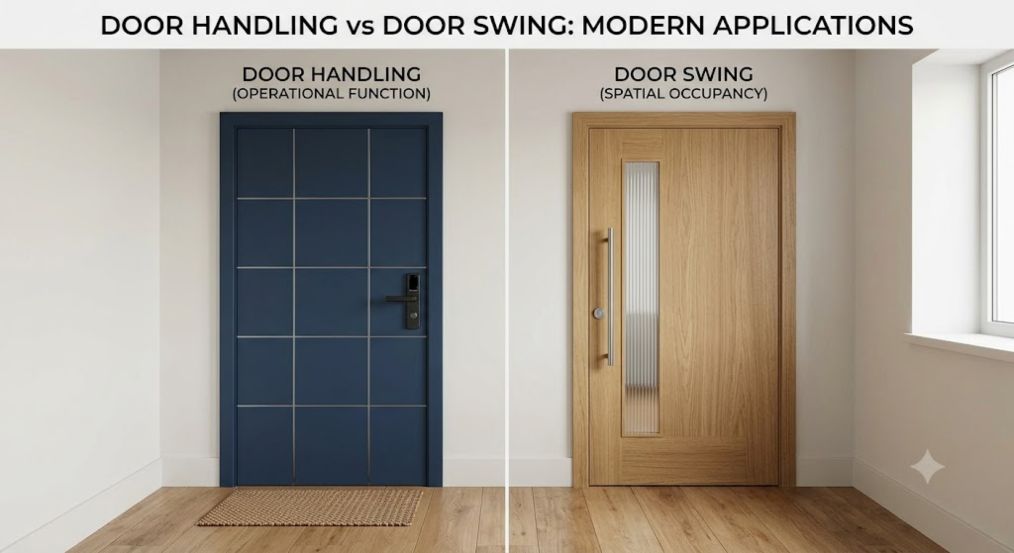
In simple terms, door swing refers to the direction the door opens, while door handling refers to the position of the hinges and handle. Both must be identified correctly to ensure the door fits the opening and functions as intended.
Contractors and architects will always ensure that they verify before they make an order since once the hand is manufactured, it may cost more and take longer to be installed.
- Pro Tip: Before you order custom doors, always make sure you have checked your floor plan. Even a small mistake in door swing or handing can affect furniture placement, traffic flow, accessibility, and emergency egress.
4. How to Determine Door Swing
Among the most frequent queries that buyers make is
How Do You Determine the Swing of a Door?
The simplest method is to stand on the side in which the door opens to you.
Then examine two things:
- On which side are the hinges?
- Is the door inward- or outward- opening?
These two facts inform you of the door swing and handing.
Simple Steps to Identify Door Swing
- Turn to the door.
- Open the door toward yourself.
- Find the hinges.
- Determine whether they are left or right.
- Record the direction of the door (into or out of the room).
This process assists homeowners, contractors, and suppliers to order the right door without confusion.
Door Swing Direction Explained
The direction of the door swing has implications beyond installation. It also influences:
- Furniture placement
- Accessibility
- Safety
- Emergency exits
- Space planning
- Privacy
An example of this is that hospitals tend to select door swings that will easily allow passage of beds and wheelchairs, whereas offices tend to select door directions that will enhance the movement of employees without blocking the corridors.
Door Swing Chart
| Door Type | Hinges | Opening Direction |
| Left Hand Swing | Left | Opens inward |
| Right Hand Swing | Right | Opens inward |
| Left Hand Reverse | Left | Opens outward |
| Right Hand Reverse | Right | Opens outward |
This is done by creating a simple door swing chart prior to manufacturing to minimize the mistakes in installing and to keep your project on schedule.
5. What Is a Left Hand Swing Door?
When you are facing the side that the door opens towards, the hinges are on the left hand swing door. The right side has the handle, and the door is swinging towards you.
The opposite is true with a right hand swing door. The hinges are on the right, and the handle is on the left.
The selection of the right hand is significant, as it influences the room layout, the position of the furniture, and ease of use.
For large commercial projects, architects usually specify door handling in the construction drawings to avoid confusion during installation.
| Type | Hinges | Handle | Opens Toward You |
| Left Hand Swing Door | Left | Right | Yes |
| Right Hand Swing Door | Right | Left | Yes |
- Expert Tip: It is advisable to compare the architectural drawings to the real site conditions before ordering custom swing doors. This is a basic measure that will avoid delays in the installation process, lower the replacement expenses, and make sure that all doors work as planned.
6. Swing Door Materials Compared
The type of material you use influences the appearance, durability, maintenance, and cost of the door. The door must also be beautiful and fit in the environment that you are installing it in.
The comparison table between the most popular swing door materials is provided below.
| Material | Best For | Advantages | Considerations |
| Solid Wood | Villas, luxury homes | Natural beauty, long lifespan | Needs regular maintenance |
| Engineered Wood | Homes, apartments | Stable, cost-effective | Less resistant to heavy moisture |
| Steel | Commercial buildings, factories | High security, excellent fire performance | Heavier than other materials |
| Aluminum | Offices, retail stores | Rust resistant, lightweight | Lower sound insulation than solid wood |
| Glass | Offices, hotels | Modern appearance, better natural light | Requires tempered or laminated safety glass |
| HPL Laminate | Schools, hospitals | Scratch resistant, easy to clean | More design-focused than natural wood |
Fire-rated doors, acoustic doors, or antibacterial-finished doors are also available to you in case your project needs special performance.
- At George Group, we provide tailored materials and finishes to suit various project needs, designs, and budgets.
7. Swing Door Hardware Guide
Even the best door requires good-quality hardware. Selection of the appropriate accessories enhances safety, increases service life, and minimizes maintenance.
The typical swing door hardware consists of:
Swing Door Hinges
Hinges hold the weight of the door and enable easy movement. The heavy commercial doors typically have heavy-duty ball-bearing hinges, as they are used on a daily basis.
Door Closers
Door closers automatically close the door. They enhance security, assist in the maintenance of fire compartmentation, and minimize energy loss in air-conditioned buildings.
Panic Bars
Panic bars are commonly used in emergency exits of commercial buildings. Individuals can use the bar to open the door in case of an emergency without unlocking it.
Push Locks and Smart Locks
Electronic locks, card readers, fingerprint scanners, or smart locks are frequently found in modern offices, hotels, and apartments to enhance security and ease access control.
Weather Seals
Good weather seals are used to minimize dust, rain, and external noise, as well as air leakage. They also enhance comfort and energy efficiency within the indoors.
- Expert Tip: The hardware must always be in line with the weight, fire rating, and frequency of use of the door. Hardware of low quality tends to fail even before the door.
8. Swing Door Sizes and Technical Specifications
Each project has various size requirements. Although standard sizes are effective in most houses, commercial projects usually demand custom production.
Typical specifications include:
- Normal door widths in residences.
- Commercial door widths
- Custom door heights
- Door thickness
- Frame thickness
- Weight capacity
- Hardware compatibility
In the case of offices, hotels, hospitals, and public buildings, accessibility is as important as appearance.
- As an illustration, the doors that should be ADA-compliant must have sufficient clear opening space to enable the wheelchair users to move freely. Accessibility requirements enhance usability and assist projects in meeting local building regulations.
Our group collaborates with project drawings to produce custom swing doors that fit your specifications rather than imposing standard sizes to custom openings.
9. How Much Does a Swing Door Cost?
The cost of a swing door depends on several factors, including the door material, size, hardware, fire rating, glazing, finish, and level of customization. Standard residential doors are generally more affordable, while custom commercial doors with certified performance features cost more.
The table below provides general price ranges for different types of swing doors.
| Door Type | Estimated Price (USD) |
| Hollow Core Swing Door | $50–$150 |
| Engineered Wood Swing Door | $120–$350 |
| Solid Wood Swing Door | $300–$1,200+ |
| Steel Swing Door | $250–$900 |
| Aluminum Swing Door | $250–$800 |
| Glass Swing Door | $400–$1,500+ |
| Fire-Rated Swing Door | $350–$2,000+ |
| Custom Commercial Swing Door | $800–$3,500+ |
What Affects the Cost of a Swing Door?
Several factors influence the final price of a swing door, including:
- Door material
- Door size and thickness
- Single or double swing design
- Fire-resistance rating
- Acoustic (STC) performance
- Glass type and glazing options
- Hardware quality and smart locking systems
- Surface finish and color
- Custom manufacturing requirements
- Order quantity and shipping destination
For large commercial projects, buying directly from an experienced manufacturer can reduce overall procurement costs while providing greater customization and certified products.
- At George Group, we provide customized swing door solutions for residential and commercial projects. Our team helps clients select the right materials, finishes, hardware, and certifications to balance performance, aesthetics, and budget.
10. Swing Door Performance Ratings You Should Know
Most buyers are interested in the looks, whereas professional builders consider performance initially.
Fire Resistance Ratings
Fire-rated swing doors slow the spread of fire and smoke, giving occupants more time to evacuate.
Typical fire ratings are
- 20 minutes
- 45 minutes
- 60 minutes
- 90 minutes
- 120 minutes
The appropriate rating is based on the type of building and local building codes.
Sound Insulation (STC Ratings)
Hotels, offices, hospitals, classrooms, and meeting rooms particularly require sound insulation.
Sound Transmission Class (STC) is a measure of the effectiveness of a door in the prevention of noise.
Increased STC ratings offer superior privacy and lessen undesired inter-room sound.
Waterproof Performance
Outside swinging doors must be resistant to rain, water, and humidity. Good sealing systems are used to secure the building and minimize the cost of maintenance.
Hurricane and Wind Resistance
The houses in the coastal regions normally need doors that can withstand the high pressure of the wind and harsh weather. The choice of certified products enhances safety and assists in addressing local construction needs.
Thermal Insulation
Insulated doors are used to ensure that the interior temperatures are maintained, save on energy, and enhance comfort during the year.
11. Swing Door Certifications for International Projects
When buying doors to use in projects in the United States, Europe, Australia, and other developed markets, certifications are usually as significant as the product itself.
Certified products make inspections easier and enhance buyer confidence.
Common certifications include:
- UL Certification for fire-rated doors
- CE Certification on European markets.
- ISO-certified manufacturing systems
- BS standards used in many international projects
- ADA accessibility of public buildings.
We are aware of the certification of international projects at George Group. We assist the clients to choose the products that facilitate easier approvals and minimize compliance risks.
12. When Does an Egress Door Have to Swing Out?
A lot of business purchasers pose the question:
CBC: When Does an Egress Door Have to Swing Out?
When building codes dictate that evacuation during an emergency is to be fast and safe, the egress door in most commercial buildings should swing in the direction of exit travel.
This is usually the case with:
- Schools
- Hospitals
- Hotels
- Shopping malls
- Office building
- Large assembly spaces
The specifications will be determined by local building codes and occupancy density. Before completing your door schedule, always ensure that you have checked the code that applies.
13. Swing Door Applications by Industry
The performance features needed by different industries differ.
Homes and Villas
The attractive designs, security, energy efficiency, and long-lasting materials are the features that are sought by homeowners.
Hotels and Apartments
Doors that are well insulated against sound, have a beautiful finish, and are durable in nature are also beneficial to the hotels, as they can be used on a regular basis.
Office Buildings
Glass swing doors enhance natural lighting and open up the working environment. Acoustic doors are commonly used in meeting rooms to enhance privacy.
Hospitals and Nursing Homes
The hospitals must have easy access to wheelchairs, antibacterial surfaces, sturdy hardware, and doors that facilitate movement of patients.
Selecting an appropriate door to use in any application enhances user experience and performance.
14. Custom Swing Doors for Large Commercial Projects
Standard products are hardly used in large projects.
The architects and developers usually need personal sizes, special finishes, special hardware, or project-specific designs.
In the George Group, we support commercial projects with
- Project-based custom manufacturing.
- 2D layout matching
- Professional 3D rendering services.
- Material recommendations
- Finish selection
- Sample production
- Hardware matching
- Installation guidance
Our design team assists the clients to see the end product even before it is produced, thereby minimizing changes in the design during the construction process.
15. Buying Swing Doors from China vs Local Suppliers
Before making big orders, many developers compare local suppliers with Chinese manufacturers.
The following is a basic comparison.
| Factor | Local Suppliers | China Manufacturing |
| Product Cost | Usually higher | Frequently less expensive when ordering in large quantities. |
| Customization | May be limited | Extensive customization options |
| Product Range | Limited selection | Large selection of materials and finishes. |
| Design Support | Varies | Frequently contains 2D layouts and 3D renderings. |
| Bulk Orders | Limited capacity | Strong production capacity |
In the case of most large projects, China sourcing may lower the cost of procurement as well as offer increased customization.
Nevertheless, it is important to select a supplier with experience. Project success is influenced by production quality, certifications, logistics, and communication.
- At George Group, we integrate manufacturing, design support, quality control, and global logistics into a single streamlined procurement solution and assist clients in saving time and the overall project costs.
16. Common Mistakes When Buying Swing Doors
Most installation issues start way before the construction commences.
These are some of the pitfalls to avoid:
- Ordering the incorrect door-handing.
- Selecting an inappropriate direction of opening.
- Ignoring fire-rating requirements
- Using hardware that is not capable of holding the weight of the door.
- Losing sight of ADA accessibility requirements.
- Poor sound insulation of hotels or offices.
- Ordering incorrect measurements
- Taking long to place the order.
Early planning will avoid delays and expensive replacements.
17. Why Choose George Group for Swing Door Projects?
Selecting the appropriate supplier is as important as selecting the appropriate product.
We offer full-indoor building material solutions at George Group in residential and commercial projects.
Our services include:
- Swing door manufacturing to order.
- One-stop procurement
- Material selection support
- 2D layout matching
- Professional 3D renderings
- International-standard manufacturing
- Quality inspections
- Bulk production
- Global shipping coordination
- Installation guidance
Be it a luxury villa, hotel, apartment complex, office building, or healthcare facility, we make it easier to procure without compromising on quality, cost control, and project schedules.
18. Conclusion: Choose the Right Swing Door for Homes, Villas & Commercial Projects
The right swing door is a choice of the correct material, hardware, certifications, and performance features of your project. A properly designed swing door enhances safety, durability, accessibility, and the general look of your house or business premise.
At George Group, we offer one-stop indoor building material solutions that include customized swing doors, 2D layout matching, 3D renderings, certified manufacturing, and international project support.
Contact us and see how our tailor-made solutions can save you time and cost and deliver your project with confidence.
Frequently Asked Questions About Swing Doors
What is a swing door?
A swing door is a hinged door that swings inwards or outwards (or both) by rotating on hinges attached to the door frame.
How do you determine the swing of a door?
Place yourself on the side the door opens to you. Identify the side of the hinges and observe whether the door opens inwards or outwards.
What is a left hand swing door?
When the door is opened towards you, the hinges are on the left side.
What is the difference between door swing and door handing?
The direction of opening is referred to as “door swing,” and the location of the hinge and handle as “door handling.”
What is a double swing door?
A double swing door contains two door panels that intersect in the middle and open individually, giving a wider entrance.
Are swing doors suitable for commercial buildings?
Yes. Commercial swing doors come in fire rated, acoustically insulated, ADA-compliant, and heavy-duty hardware varieties to suit high-traffic areas.
Can swing doors be customized?
Yes. The size, material, finish, hardware, glazing, thickness, and performance features can be customized to suit project requirements.
How long does it take to source custom swing doors from China?
The lead times are different based on the complexity of the design, the volume of production, and the destination of shipment. Early procurement planning can be used to maintain construction schedules.