
Choosing the right toilet may seem simple, but the type of toilet you install affects water efficiency, maintenance costs, user comfort, and even compliance with Australian regulations. Whether you are renovating a home, designing a hotel, or managing a commercial development, understanding Australian toilet types can help you make a smarter decision.
Australian toilets are popular because of their modern designs and water-efficient flushing systems. They adhere to high quality standards and provide convenient solutions for residential and commercial purposes. They are efficient for many homeowners and meet the industry regulations to the satisfaction of architects and developers.
In George Group, we assist homeowners, architects, designers, developers and contractors in selecting the appropriate building materials to use in their projects. Our one-stop procurement solutions contribute to the success of projects due to assistance in design, customization, and effective supply chain management.
1. What Are Australian Toilets? (Standards & Design Overview)
Australian toilets are toilet systems that are designed to comply with the rigid plumbing and water saving standards in Australia. These toilets are a lot more concerned with water usage and still have high flushing performance.
One of their most common features is dual-flush technology. This system enables the users to choose between a half flush and a full flush based on their needs. This has led to households and businesses saving a lot of water annually.
Key Features of Australian Toilets
- Dual-flush water-saving systems
- Contemporary and space conscious designs.
- Strong flushing performance
- Easy maintenance and cleaning
- Meeting Australian standards.
- Long-lasting ceramic construction
These characteristics render the Australian toilets usable in homes, hotels, offices, healthcare facilities, and large residential developments.
2. Do Toilets Flush Backwards in Australia?
The question most of the people raise is whether toilets flush differently in Australia. This popular myth has been propagated through movies and television programs.
Do toilets flush backwards in Australia?
No, in Australia toilets do not flush backwards.
The concept is based on a misunderstanding of the Coriolis Effect, which affects large-scale weather patterns. It has no influence on the little water in a toilet bowl.
Rather, the flushing direction is decided by manufacturers by the engineering and design decisions.
Does toilets flush backwards in Australia?
No. The toilets in Australia can either flush clockwise or counterclockwise, depending on the model of the toilet.
The various flushing patterns are formed by different manufacturers that employ different shapes and the placement of water jets.
Do the toilets in Australia flush backwards?
No, they do not.
You may notice some Australian toilets spinning differently compared to toilets in other countries. But this difference is due to the interior design of the toilet, rather than the geographical position of Australia, which is in the Southern Hemisphere.
3. Does Australian Toilets Flush Backwards? (Scientific Explanation)
The simple answer remains no.
You must know how toilets work in order to know why.
When you press the flush button, water flows into the bowl via special pipes under the rim. The swirling effect you see is due to the direction and velocity of the water.
Flushing direction depends on a number of factors:
- Rim jet positioning
- Geometry and shape of bowl.
- Trapway configuration
- Water pressure levels
- Flush valve design
The Coriolis Effect does not affect household toilet flushing, but scientists concur that it affects hurricanes and ocean currents.
Therefore, do Australian toilets flush backwards? The response is no. Flushing is controlled by engineering design.
4. Do Toilets Flush Opposite in Australia?
No, Australian toilets do not flush the other way as toilets in other nations do.
Two toilets in different directions could be in the same building, provided the manufacturers designed them differently.
Reverse flushing patterns are some of the patterns that many travelers anticipate seeing in Australia. The truth is that they usually observe the same toilet behavior that they have at home.
What one should keep in mind is this:
Geography is not the determinant of flushing direction, but toilet design.
5. Australia America Toilet Spin Comparison
Australia America Toilet Spin
The purpose of Australian and American toilets is the same, but the manufacturers make them in different ways to comply with the local tastes and standards.
Their major differences are as follows:
| Feature | Australian Toilets | American Toilets |
| Flush Type | Dual flush systems | Mostly siphonic flush systems |
| Water Usage | Lower water consumption | Generally higher water consumption |
| Sustainability Focus | Strong emphasis | Increasing focus |
| Common Installation Type | Close-coupled and wall-hung | Two-piece floor-mounted |
| Water Efficiency Regulations | Strict WELS standards | EPA WaterSense standards |
The water conservation is a common feature of Australian toilets. There are numerous models of American models that are concentrated on strong flushing systems.
There is no universal superiority of either system. The best option will be based on the objectives of the project, the local laws, and the preferences of users.
6. Different Direction Toilets Australia Explained
Different direction toilets Australia
You might be asking yourself why there are toilets in Australia that spin clockwise and those that spin anti-clockwise.
These differences are made by the manufacturers on purpose.
Rim Jet Design
The rim has small water channels that direct the water into the bowl at certain angles.
The spinning patterns are different with different angles.
Bowl Shape
The inside of the bowl shape of the toilet determines the flow of water during flushing.
Trapway Engineering
The bowl is cleared by the trapway. It influences the efficiency of water flow and direction of flushing.
Flush Technology
Contemporary dual-flush systems are more efficient in terms of water consumption without compromising the efficiency of waste disposal.
Such engineering decisions justify the existence of different direction toilets in Australia without considering geographic influences.
7. Types of Australian Toilets
There are a number of toilet designs in Australian bathrooms. Both options have their own benefits based on the nature of the project.
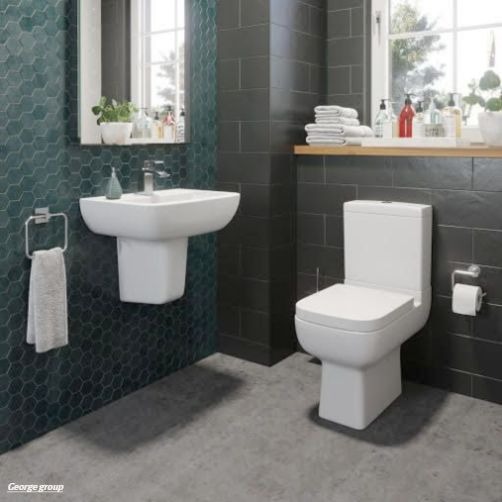
Close-Coupled Toilets
Close-coupled toilets have the cistern attached directly to the toilet bowl, creating a compact and traditional design. These toilets are among the most common choices in Australian homes because they offer a balance between affordability, functionality, and ease of installation.
Advantages
- Affordable pricing
- Easy installation
- Simple maintenance
- Wide availability
Best Applications
- Residential homes
- Apartment developments
- Budget-friendly renovations
These toilets continue to be one of the most popular ones in Australia.
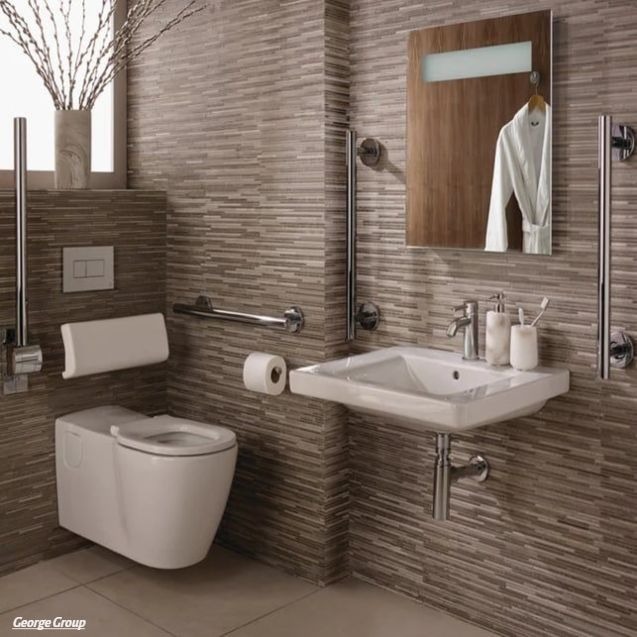
Wall-Hung Toilets
Wall-hung toilets are mounted directly onto the wall, while the cistern is concealed behind the wall cavity. This creates a sleek, minimalist appearance that is highly valued in contemporary bathroom designs.
Advantages
- Modern appearance
- Easier floor cleaning
- Space-saving design
- Improved accessibility
Best Applications
- Luxury homes
- Hotels
- Modern office buildings
Wall-hung toilets are commonly used by architects in modern buildings.
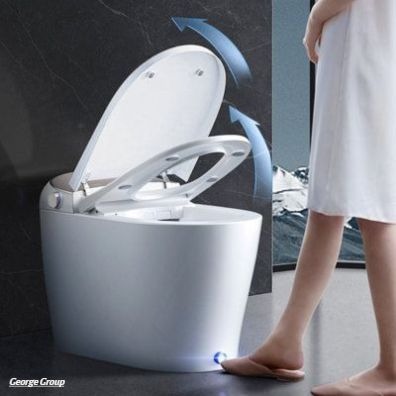
Smart Toilets
Smart toilets are becoming increasingly popular in high-end residential and commercial developments across Australia. These advanced fixtures combine technology with comfort to deliver an improved bathroom experience.
Features
- Automatic flushing
- Heated seats
- Built-in bidets
- Motion sensors
- Self-cleaning functions
Best Applications
- High-end residences
- Luxury hotels
- Premium commercial projects
These state-of-the-art systems increase comfort and hygiene.
One-Piece and Two-Piece Toilets
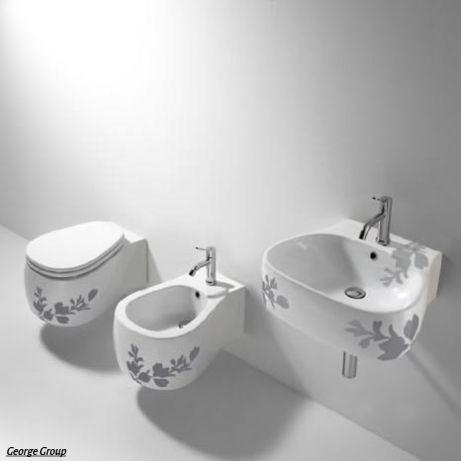
One-Piece Toilets
One-piece toilets are manufactured with the bowl and tank molded into a single unit, creating a seamless appearance.
Benefits
- Easy cleaning
- Modern design
- Less dirt to accumulate on joints.
Two-Piece Toilets
Two-piece toilets have separate bowls and cisterns that are assembled during installation. They remain one of the most widely used toilet types.
Benefits
- Lower purchase costs
- Easier transportation
- Simple replacement options
The two styles are effective in Australian projects.
Water-Efficient Toilets (WELS Rated)
Water conservation is a major consideration in Australia due to environmental concerns and water management regulations. Water-efficient toilets help households and businesses reduce water consumption without sacrificing performance.
The Water Efficiency Labelling and Standards (WELS) scheme helps consumers identify products with better water efficiency ratings, making it easier to choose environmentally responsible fixtures.
Benefits of WELS-Rated Toilets
- Lower water bills
- Reduced environmental impact
- Compliance with regulations
- Improved sustainability performance
The developers are more keen on the use of WELS-rated products in residential and commercial work.
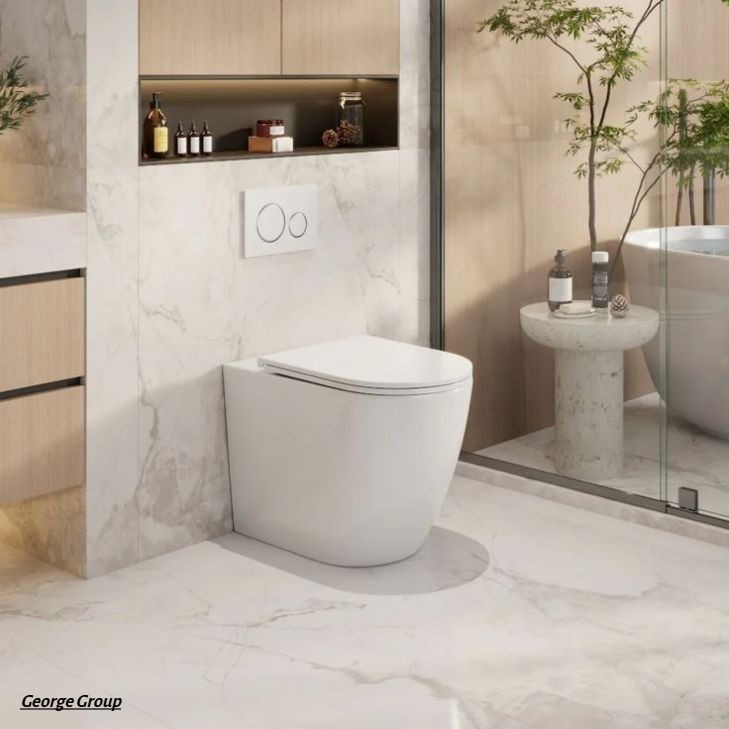
Back-to-Wall Toilets
Back-to-wall toilets sit flush against the wall, concealing pipework and creating a neat appearance.
Advantages
- Stylish and modern design
- Easier cleaning around the toilet base
- Concealed plumbing for a cleaner look
- Suitable for compact bathrooms
Best Applications
- Contemporary homes
- Apartment developments
- Hotel bathrooms
Dual-Flush Toilets
Dual-flush toilets provide two flushing options: a full flush for solid waste and a half flush for liquid waste.
Advantages
- Significant water savings
- Lower utility costs
- Environmentally friendly operation
- Commonly available in WELS-rated models
Best Applications
- Residential properties
- Commercial buildings
- Schools and universities
- Sustainable developments
These additional toilet types give Australian homeowners, builders, and developers more flexibility when selecting the most suitable toilet solution based on design preferences, budget, and sustainability requirements.
8. Compliance & Technical Specifications for Australian Toilets
Adherence influences project approvals and performance in the long term.
Knowledge of technical requirements assists buyers to avoid making expensive errors.
WELS Water Efficiency Standards
The WELS rating system is used to determine the efficiency of toilets in the use of water.
An increase in the star rating implies improved water conservation.
Benefits include:
- Reduced operational costs
- Improved environmental performance
- Support for green building initiatives
Australian Plumbing Compliance Standards
The toilets must be in line with the relevant Australian plumbing standards.
Compliance ensures:
- Safe installation
- Consistent performance
- Easier inspection approvals
Certifications must be checked by builders and developers prior to procurement.
Accessibility Requirements for Commercial Projects
Business ventures usually need convenient toilets.
Toilet designs that are accessible accommodate the following:
- Wheelchair users
- Elderly individuals
- Hospital patients
- Nursing home residents
Design considerations can be:
- Adequate maneuvering space
- Appropriate seat heights
- Support grab rails
- Easy-to-operate flush controls
Why Certifications Matter for Project Approval
Certifications instill trust in developers, architects and regulatory bodies.
Certified products assist projects to attain:
- Faster approvals
- Reduced compliance risks
- Improved quality assurance
At George Group, we have realized the need to source products that meet the project requirements and the local standards.
9. Design Tools & Engineering Support for Australian Toilets Projects
Projects must be successful and not just about quality products. Design support is also very important.
2D Bathroom Layout Planning
Architects and designers make use of 2D layouts to maximize bathroom layouts.
This process assists in enhancing:
- Space utilization
- Plumbing coordination
- Accessibility planning
3D Rendering and Visualization Support
Three dimensional images enable customers to see the finished spaces prior to actual installation.
Benefits include:
- Better design decisions
- Reduced revisions
- Improved stakeholder communication
At George Group, we help customers visualize their finished bathroom projects before installation begins.
BIM Integration for Architects and Designers
Building Information Modeling (BIM) enhances teamwork within project teams.
BIM support assists professionals:
- Coordinate specifications
- Identify conflicts early
- Improve construction efficiency
Compatibility with Commercial Bathroom Accessories
Commercial projects tend to need to be compatible with other hardware.
Examples include:
- Concealed cistern systems
- Flush plates
- Commercial-grade toilet seats
- Heavy-duty mounting systems
Effective compatibility planning reduces the installation problems.
10. Customization for Large-Scale Projects
Huge commercial projects do not have the same solutions to all projects.
Customization assists in fulfilling the functional requirements as well as supporting the design goals.
Customized Sizes Based on Project Drawings
There are numerous projects that need custom dimensions.
Custom sizing supports:
- Hotels
- Villas
- Healthcare facilities
- Commercial buildings
Project drawings help in precise manufacturing specifications.
Material and Finish Options
Various projects focus on various aesthetics.
Popular finishes are:
- Gloss ceramic finishes
- Matte finishes
- Premium porcelain surfaces
- Modern minimalist designs
Antibacterial and Premium Coating Options
Hygiene is often a priority in healthcare and hospitality industries.
Specialized coatings help:
- Improve cleanliness
- Reduce bacterial growth
- Simplify maintenance
Tailored Solutions for Hotels, Villas, and Commercial Buildings
At George Group, we facilitate tailor-made procurement plans in accordance with project needs.
Our team works closely with customers to help align products with design goals, functionality needs, and budget expectations.
11. Project Management & Supply Chain Strength
Major construction projects require time, coordination and supply chains that are dependable. A building schedule can be slowed down even by a slight delay in bathroom fixtures. This is the reason why we are working on robust project management and consistent procurement systems of Australian Toilets and related bathroom products.
At George Group, we assist developers, contractors and architects with a well-organized supply chain that minimizes risk, cost savings, and project schedule.
One-Stop Procurement Solutions
There is no need to deal with various suppliers of various bathroom parts. We offer a one-stop sourcing of toilets, fittings, and other materials.
This strategy assists you:
- Reduce time in coordinating suppliers.
- Reduce communication errors
- Control overall project cost
- Enhance consistency of materials between sites.
You have all that in one integrated supply system.
Bulk Production and Lead Times
Big projects may need hundreds or even thousands of units. We coordinate bulk production and scheduling.
We help you:
- Produce plans according to project schedules.
- Ensure a steady quality of products.
- Avoid unexpected shortages
- Make delivery and construction phases congruent.
This will make sure that your Australian Toilets are delivered just in time when your project requires them.
Sample Production and Quality Control
Prior to mass production, we offer samples to enable you to verify design, material and performance.
This will assist you in:
- Check quality prior to bulk order.
- Adjust specifications early
- Reduce costly mistakes
Another quality control check that we make is at each production stage.
Installation Guidance and Technical Support
We do not cease at delivery. We also aid in installation planning.
We assist with:
- Technical drawings
- Installation instructions
- Plumbing coordination
- Problem solving assistance on-site.
This minimizes installation mistakes and enhances the efficiency of the project.
International Logistics and Cost Control
We handle international shipping with proper planning to minimize delays and risks of damage.
Our logistics system is based on:
- Ceramic product safe packaging.
- Cost-effective shipping routes
- Customs clearance support
- On-time delivery scheduling
This assists you in managing the total project budget and preventing any unforeseen costs.
12. Industry-Specific Applications of Australian Toilets
Various industries require different toilet features. This knowledge will assist you in choosing the proper product to use in terms of performance, comfort, and compliance.
Hospitals and Nursing Homes
Healthcare facilities must be hygienic and accessible.
Australian Toilets should help in the following environments:
- Wheelchair accessibility
- Easy cleaning surfaces
- Antibacterial materials
- Durable flushing systems
Our designs are recommended to have less contact and be more sanitized. They can be cleaned fast by the staff and this enhances control of hygiene.
Hotels and Apartments
Hotels and residential apartments are concerned with the comfort of the guest and durability.
Key priorities include:
- Quiet flushing systems
- Modern luxury appearance
- Water-saving performance
- Simple maintenance of housekeeping teams.
Wall-hung and smart toilets are usually suitable in such settings, as they enhance the aesthetics and experience of the guests.
Modern Offices
The restroom systems in office buildings require low-maintenance, durable and functional systems.
Important requirements include:
- High-traffic durability
- Fast flushing performance
- Space-efficient layouts
- Minimal maintenance needs
Touchless or sensor-based systems are also favored in modern offices to enhance the level of hygiene.
13. Key Buyer Pain Points & Procurement Insights
The buyers of Australian Toilets tend to encounter such challenges when they are sourcing in any country and type of project.
These are the pain points that we are solving by providing structured procurement support.
Installation Challenges
Most projects have delays in installations because of wrong specifications.
Common issues include:
- Wrong pipe alignment
- Incompatible fittings
- Incorrect toilet dimensions
We reduce these risks by providing detailed technical drawings and installation guidance.
Local Purchasing vs Importing from China
Local sourcing is compared to international procurement by many developers.
The following is a mere comparison:
| Factor | Local Purchase | Import from China (George Group Supply) |
| Cost | Higher | More competitive |
| Customization | Limited | Fully customizable |
| Bulk Supply | Limited capacity | Strong large-scale production |
| Design Support | Basic | 2D & 3D design support available |
| Lead Time | Faster but expensive | Planned production with cost efficiency |
Large projects are also better controlled in terms of cost when imported, particularly when early planning is involved.
Meeting Local Certification Standards
Customers are concerned about the local compliance of imported goods.
We address this by providing:
- ISO-certified manufacturing
- CE compliance options
- WELS compatible water efficiency products.
- Project-specific documentation support
This assists in the smooth passing of inspections of projects.
Project Scheduling and Delivery Timelines
Bathroom fixtures come in at the early stages of construction. Lags may impact various stages.
We advocate scheduling by:
- Timing production with project stages.
- Providing lead time estimates.
- Providing shipment tracking updates
This eliminates confusion and keeps your project on track.
Saving Time and Costs Through One-Stop Procurement
Having numerous suppliers is more complex and expensive.
Our one-stop system assists you:
- Reduce procurement time
- Avoid mismatched products
- Control bulk pricing
- Simplify project communication
This method enhances efficiency in design to installation.
14. Expert Tips for Choosing Australian Toilets
Selection of the appropriate toilet will enhance performance, lessen maintenance, and contribute to long-term cost savings.
Here are some tips that can be put into practice:
- Always look at water efficiency ratings prior to purchase.
- Select type of toilet based on project size and level of use.
- Use wall-hung models in contemporary and luxurious settings.
- Install close coupled toilets in cost sensitive projects.
- Select intelligent toilets in upscale hospitality projects.
- Check compatibility with installation prior to ordering.
- Early procurement of the plan to prevent delays.
These are the easy steps that can save you a lot of money.
15. Conclusion: Why Australian Toilets Are a Global Standard
The Australian toilets are a blend of intelligent engineering, water-saving, and sleek design. They facilitate home comfort and massive business operation simultaneously. By selecting the appropriate type, you will be able to increase hygiene, save money on water usage, and increase the quality of the project as a whole.
At George Group, we assist you to transform these advantages into actual project achievement with one-stop procurement, customization and worldwide supply support.
When you have a residential or commercial project, contact us today. We will assist you in choosing the appropriate Australian Toilets, cost optimization, and providing materials that suit your design and construction schedule.
We collaborate with you from design to delivery to ensure your project remains efficient, compliant, and on schedule.
FAQs About Australian Toilets
Do toilets flush backwards in Australia?
No. Australian toilets do not reverse flush. Flush direction is not a matter of geography; it is a matter of design.
Why do Australian toilets spin differently?
Various rim jets, bowl shapes and trap designs produce different patterns of water movement.
What are the most common types of Australian toilets?
Close-coupled, wall-hung, smart toilets, and water-efficient dual-flush toilets.
Are Australian toilets more water-efficient?
Yes. A majority of the Australian toilets adhere to rigorous water-saving criteria such as WELS ratings.
Can Australian toilets be customized for commercial projects?
Yes. We provide size, finish and performance customization on project drawings.
How long does it take to source Australian toilets for large projects?
Lead time is determined by order size; however, bulk production typically needs prior scheduling prior to delivery.
What certifications should buyers look for when purchasing toilets?
Depending on the location of the project, buyers are advised to examine ISO, CE, and WELS related compliance documents.