
1. Key Takeaways: Homeowner’s Glazing Quick Summary
- Window glazing has evolved from rudimentary blown panes to high-performance smart glass designed to maximize home comfort and lower energy costs.
- Installing Double glazing significantly reduces utility bills by keeping interiors warm in winter and cool during summer.
- Low-E Glass bounces radiant heat away while allowing visible light inside, protecting furniture and flooring from UV damage.
- Matching advanced glass technology with durable Window Frames ensures long-term weather resistance and thermal efficiency during a remodel.
2. Early‑Day Origins of Window Glazing
Understanding the History of the Window provides essential context for modern architectural glass choices. Before glass was applied to window openings, early civilizations covered openings with animal hides, cloth, or wooden shutters. Glass manufacturing itself began around 3500 BC in Eastern Mesopotamia and Egypt, where early artisans crafted small glass beads and vessels.
In the study of Glazing and Ancient Glass, glass remained a luxury item reserved for royalty and sacred artifacts. Roman Glass Windows marked the first structural application near the end of the first century AD. Although Roman glass was thick and translucent rather than fully clear, it successfully admitted natural light while shielding interiors from rain and wind.
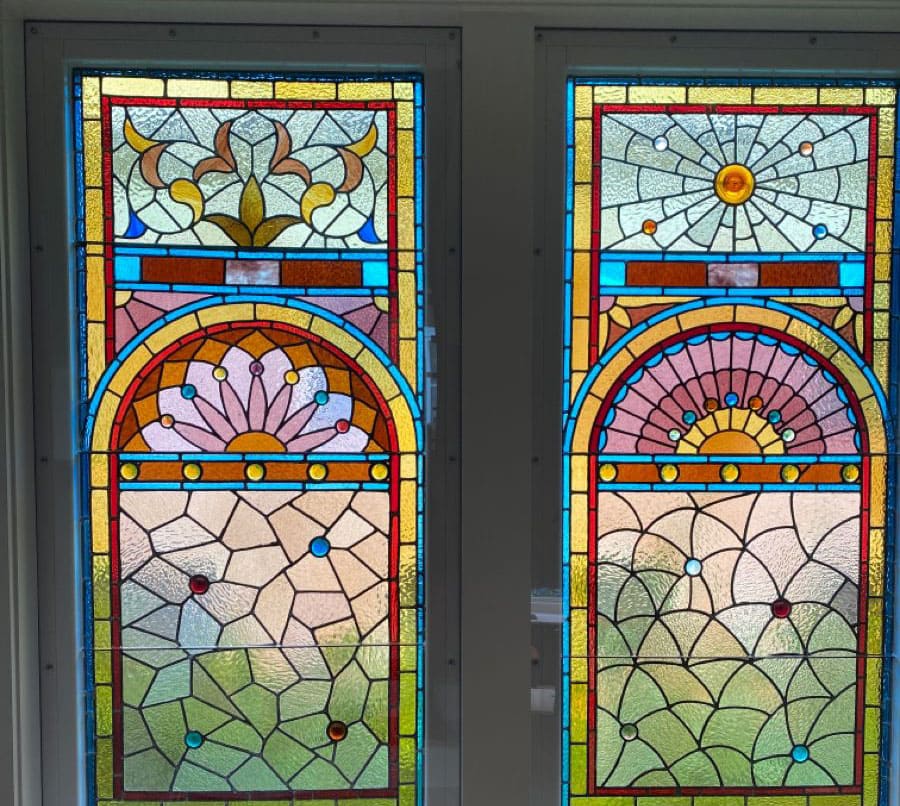
As glassmaking techniques advanced into the Middle Ages, stained glass became popular across European Gothic cathedrals. These stained windows fulfilled multiple roles: structural light control, architectural decoration, and visual storytelling for public education.
3. 17th‑19th Century: Major Glass Window Innovations
Crucial Innovations in Glass Windows emerged between the 17th and 19th centuries, reshaping residential architecture:
- Crown Glass Development: Invented near Rouen, France in 1330, crown glass involved blowing hot glass into a globe and spinning it flat. This yielded larger, clearer panes measuring 100–150 mm wide, making glass windows a status symbol among wealthy homeowners.
- Sash Windows and Glazing Bars: During the 18th and 19th centuries, multi-pane Sash Windows joined by wooden glazing bars became standard. They simplified window operation and improved household ventilation.
- Float Glass Revolution: Invented by Sir Alastair Pilkington in 1959, the Float Glass Revolution allowed molten glass to float on a bath of molten tin. This process produced smooth, perfectly flat, uniform glass panes at scale, laying the foundation for modern architectural glazing.
4. Modern Window Glazing: Efficiency & Performance Tech
Selecting modern glazing requires understanding how multi-layer units reduce thermal transfer. Windows are responsible for 25% to 30% of residential heating and cooling energy loss.
| Glazing Technology | Primary Feature | Key Homeowner Benefit |
| Double glazing | Two glass panes separated by an insulating air/gas gap. | Lowers heating/cooling bills by 20–30%. |
| Low-E Glass | Microscopic metallic coating reflecting infrared heat. | Blocks up to 75% of UV rays; transmits 70–80% visible light. |
| Gas Fills & Triple Glazing | Argon/Krypton gas insulation between multiple panes. | Delivers ultra-low U-values (down to 0.5 W/m·K) for extreme climates. |
5. Frame Styles: How They Evolved With Glazing
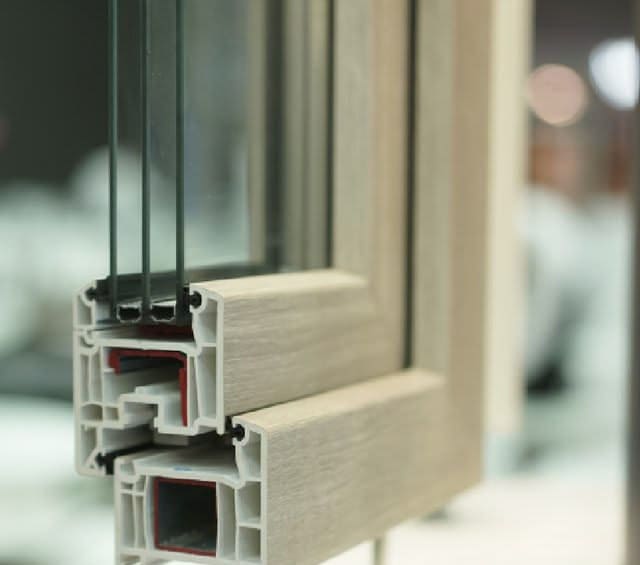
Window frame materials have transformed alongside glass developments. Early window frames relied exclusively on wood, which demanded regular maintenance to resist moisture damage.
Modern engineering has introduced extruded aluminum, pultruded fiberglass, vinyl, and composite materials. Precise Integration with Glazing ensures that slender frame profiles can support heavy double- or triple-glazed units without warping or air leakage. As a result, Modern windows help make spaces brighter, quieter, and visually open, bridging the gap between indoor comfort and outdoor scenery.
6. Key Factors for Homeowners Choosing Renovation Glazing
When selecting replacement windows during a home remodel, consider these critical criteria:
- Regional Climate & Solar Orientation: Choose higher Low-E coatings for sun-exposed south/west elevations.
- Impact & Safety Standards: Ensure glass installed near doors, floors, or high-traffic areas meets recognized safety regulations such as ANSI Z97.1 and CPSC 16 CFR 1201.
- Acoustic Insulation: Multi-pane insulated glass drastically reduces neighborhood and traffic noise.
- Manufacturer Reputation: Partnering with established building supply manufacturers like Georg Group (also operating internationally as Georg Group china) ensures rigorous manufacturing standards and comprehensive customization options.
7. Common Glazing Mistakes in Home Remodels
- Prioritizing Initial Cost Over Efficiency: Selecting cheap single-pane glass over Double glazing leads to significantly higher energy costs over time.
- Ignoring Frame Structural Compatibility: Installing heavy double/triple glazing into weak frames can cause seal failure and frame sagging.
- Skipping UV Protection: Standard clear glass allows UV radiation to fade interior hardwood floors, artwork, and furniture.
- Neglecting Safety Regulations: Failing to install safety-tested tempered glass in code-mandated zones creates unnecessary safety hazards.
8. The Future of Residential Window Glazing
The future of fenestration lies in dynamic smart glass solutions. Smart windows automatically adjust their tint based on sunlight intensity, heat, or electric currents using electrochromic, photochromic, or thermochromic technologies.
In the coming years, residential smart glass will seamlessly integrate with home automation systems like Amazon Alexa, enabling homeowners to control privacy, shade, and glare via smartphone apps or simple voice commands.
9. Home Renovation Window Glazing FAQ
- What is window glazing?
Window glazing refers to the process of fitting glass panes into a window frame to manage light entry, thermal insulation, and weather protection. - Why are double-glazed windows better than single-pane windows?
Double-glazed windows feature two layers of glass with an insulating air or gas gap, trapping heat indoors during winter and blocking external solar heat during summer while isolating exterior noise. - How does Low-E glass work?
Low-E (low-emissivity) glass uses a thin metallic film to reflect radiant heat energy back to its source while permitting natural daylight to enter. - What are smart windows?
Smart windows utilize dynamic glass coatings that change transparency or tint level automatically in response to temperature, light levels, or electrical input.
10. Ready to Choose Glazing for Your Home Project?
Whether you are updating a historic home with sash-style frames or designing a modern open-concept space with floor-to-ceiling glass, selecting the right glazing is essential for long-term comfort and energy savings. Consulting with experienced suppliers like Georg Group provides custom engineering guidance and high-performance window solutions tailored to your remodel goals.